The lethal drug used in the failed attempt to execute Krista Pike in Tennessee has been used by multiple execution states and by the U.S. government since President Donald Trump resumed federal executions during his first term.
Pike, 50, was still alive after receiving two doses of pentobarbital on Wednesday, according to his lawyer and media witnesses.
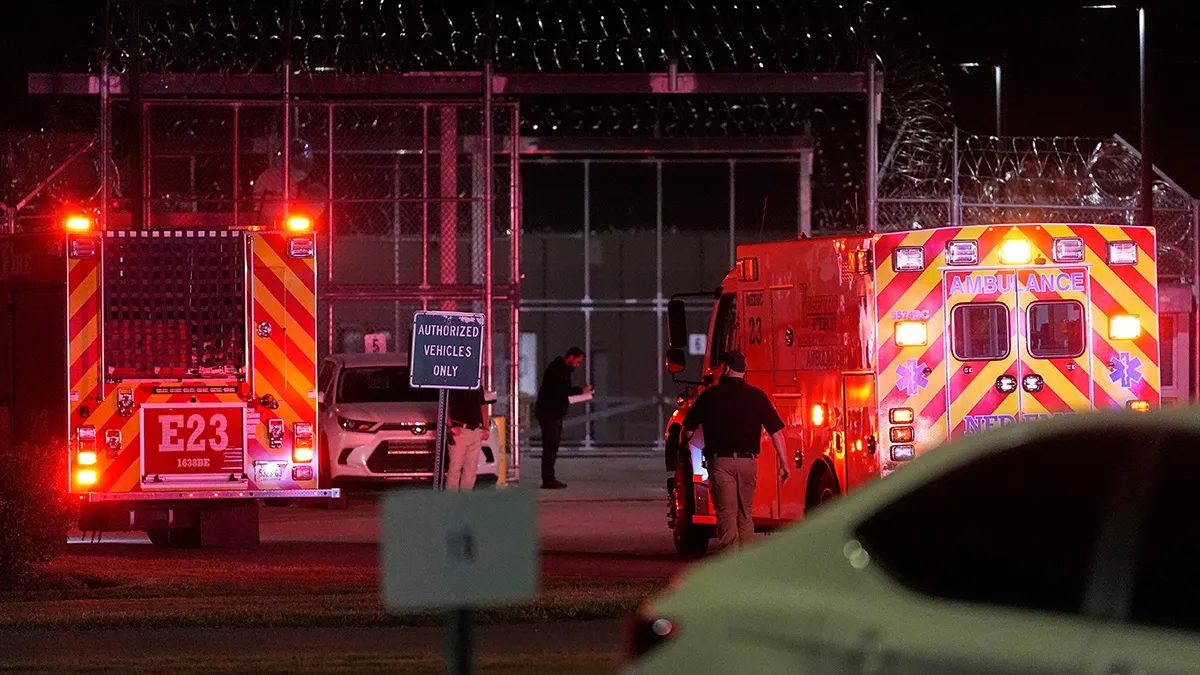
Pike’s attorneys said earlier Thursday that she was being treated at a hospital but they were unaware of her condition. A spokesman for the Department of Corrections did not respond to NBC News’ emailed questions Wednesday night about whether she was still alive, but said she “had been transported to an off-site medical facility.”
Tennessee officials have not yet explained what went wrong.
Republican Gov. Bill Lee ordered a third-party review to determine what happened and said there would not be another scheduled execution in Tennessee this year.
What is pentobarbital?
Pentobarbital is a barbiturate, a class of drugs that depress the central nervous system.
Approved medical uses include sedation, short-term treatment of insomnia, anesthesia preparation, and emergency control of certain severe epileptic seizures. It is also used in veterinary euthanasia.
Overdose can cause coma, respiratory depression and lead to circulatory collapse and death.
Why is it used in executions?
For years, lethal injections typically used three drugs: an anesthetic, a paralytic to stop breathing, and potassium chloride to stop the heart.
This approach has drawn criticism because paralysis may prevent prisoners from expressing pain if anesthesia fails. It also became unsustainable after drugmakers limited execution distribution.
The pentobarbital regimen was adopted at the federal level during Trump’s first term, replacing a three-drug cocktail used in the 2000s.
Like Tennessee’s guidelines, federal death penalty protocols call for the use of a 5-gram dose of pentobarbital; in medical settings, patients typically receive a fraction of a gram.
Trump reinstated the federal death penalty after an informal moratorium on executions under successive administrations. Between 2020 and 2021, the federal government used pentobarbital in 13 executions, making Trump the president who has carried out the most executions in more than 130 years.
During the Biden administration, the Justice Department halted pentobarbital executions after a government review raised concerns that they could cause “unnecessary pain and suffering.”
After Trump returned to power, the Justice Department reauthorized the use of pentobarbital for lethal injection in 2026.
Lethal injection is the primary method of execution in the United States and involves the use of one or more drugs to cause a person’s death.
How do the guidelines differ from state to state?
Georgia and Texas use a similar protocol to Tennessee, administering second doses only if the first dose is unsuccessful. South Carolina began using pentobarbital in 2024, automatically injecting prisoners with two 5-gram doses about 10 minutes apart.
Lawyers for the death row inmates argued that two injections of such large doses proved the deceased were dying but were still conscious as fluid rushed into their lungs, feeling as if they were drowning.
But an attorney for the South Carolina Department of Corrections said the inmate lost consciousness in less than a minute and didn’t feel anything. The heart may occasionally flicker on the monitor, but this is because it is the last organ to use the body’s stored oxygen and has residual electrical impulses.
Problems with past lethal injection executions often stemmed from the inability to insert the intravenous line properly and stopping the execution before the drug could be injected. Severe reactions or prolonged time to death have also been reported when new drug combinations are used.
Wednesday’s failure to administer pentobarbital appears to be the first time problems have arisen with the drug. Witnesses often reported that prisoners stopped breathing and became still within a minute of taking the drug.
What do experts say about this drug?
Experts cited in the 2025 federal review believe pentobarbital can cause pulmonary edema, a buildup of fluid in the lungs that can produce a feeling of suffocation.
The review concluded that “substantial uncertainty remains about whether lethal injection using pentobarbital as a single drug would cause unnecessary pain and suffering” and recommended that the government “err on the side of humane treatment.”
A report released by Trump’s second administration quoted other experts saying a fatal dose would lead to loss of consciousness before then.