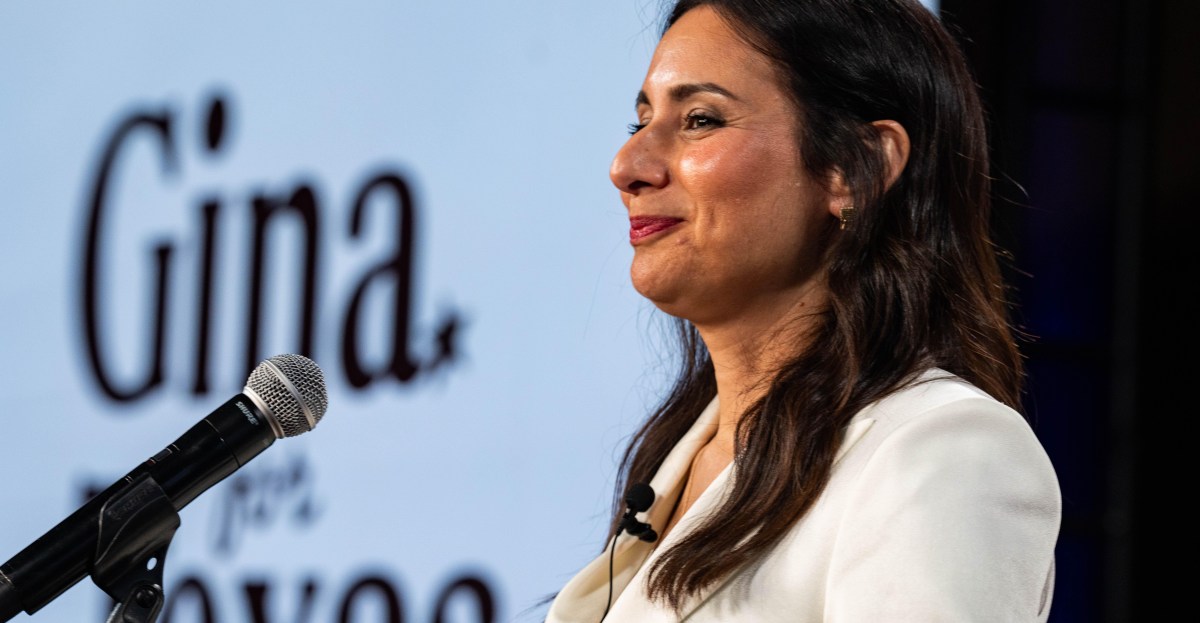
On election night in Texas, the impossible became possible. Democrats won the governor’s seat for the first time since the 1990s and appeared poised to gain control of the state House of Representatives. These huge, unexpected victories now open the window for a major policy change that has long been closed: expanding Medicaid to more than one million low-income Texans.
The Affordable Care Act provides states with generous funding to expand Medicaid eligibility to 133 percent of the federal poverty level, or about $21,000 for one person and $44,000 for a family of three. But the Supreme Court ruled in 2012 that states should be able to choose whether to accept expansion. While many other Republican-led states have decided to adopt it, Texas is one of ten states, and by far the largest, that has steadfastly refused to expand Medicaid coverage to many of its poorest citizens. KFF estimates that 1.1 million people in Texas will be eligible for Medicaid expansion, including 605,000 who have no other insurance options. For years, in resisting expansion, Republicans argued that Medicaid was broken and too costly, and that uninsured people should get coverage by finding jobs that offered health benefits.
Newly elected Democratic Gov. Gina Hinojosa has pledged to pursue expansion if elected, viewing it as a way to help the state’s children. If she can find a way to get the state Legislature on board, Texas Medicaid expansion will be one of the biggest immediate consequences of the 2026 blue tsunami. Texas has the highest uninsured rate in the country at 19%.
“We expect expansion to be a priority in the next legislative session. In the short term, it saves lives and in the long term, it saves money,” Lynn Cowles, director of health and food justice for the advocacy group Every Texan, told me in an email. “We are delighted to be working with our NSW team and committee chairs in January to make the expansion a reality.”
There is still work to be done. But Democrats are in their strongest negotiating position ever in the Lone Star State. As of Wednesday morning, Democrats were leading enough races to take over the Texas House of Representatives for the first time in more than 20 years. This would allow them to have more serious conversations about expansion.
“You should expect to see the Medicaid expansion bill filed on November 9th, which is our first day of early filing,” said Bee Moorhead, executive director of Texas Impact. “Certainly, it will be on the table.”
That’s not a guarantee, as Republicans retain control of the state Senate. Still, some optimists believe sweeping Democratic victories in Texas and nationally could make Republicans more willing to compromise.
Democrats will have a key ally in the fight: Texas hospitals that have long supported expansion. Their political clout and the threat of rural hospital closures as a result of Trump-approved Medicaid cuts — a theme in Hinojosa’s campaign — could put pressure on Republicans to find middle ground with the Democrats now in charge.
But hospital leaders, who have previously seen dreams of Medicaid expansion in Texas fizzle, are yet to declare victory. Until some Texas Senate Republicans who have opposed Medicaid expansion in the past announce they are now willing to compromise, Republican control of the chamber may be enough to continue to block Texas Medicaid expansion for now.
“Everything changed last night. But just because everything changed, doesn’t mean everything changed,” John Henderson, president and CEO of the Texas Rural and Community Hospital Organization, told me. “We’re going to have a different climate and different priorities in the next session. But there are still hurdles that need to be cleared for some of these really ambitious policies.”
Texans have been waiting for Medicaid expansion for a long time: A 2020 poll found that 69% of voters in the state supported the policy. But Republican leaders, including now-ousted Republican Gov. Greg Abbott, refused to budge.
There’s no guarantee that stunning interim results will finally break the deadlock. This will require clever politicking by the Democrats newly in power. But for the first time, there was real hope.