KANSAS CITY – Sweet protein turns out to be an even bigger force in reducing sugar.
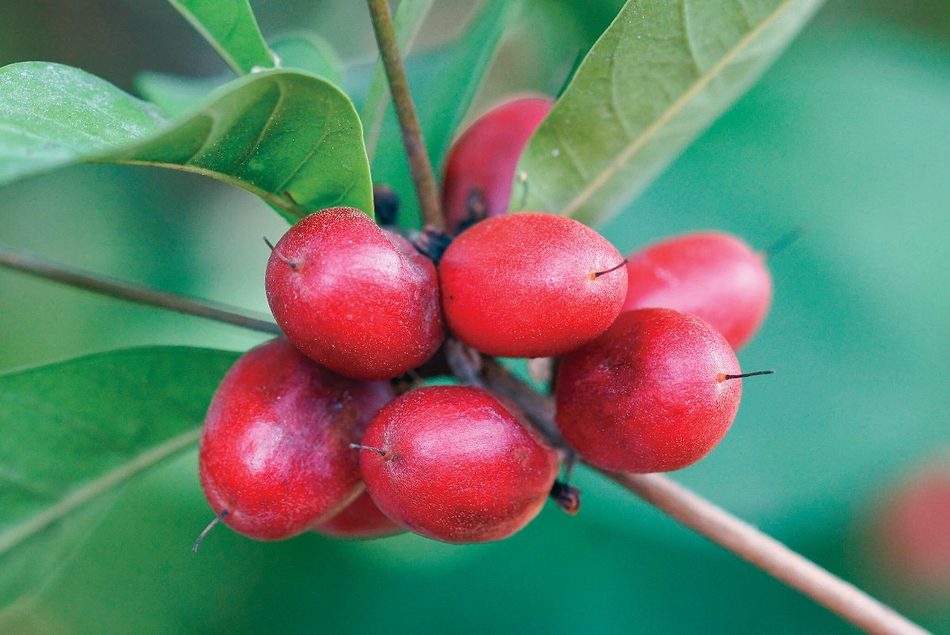
For example, brazzein is the scientific name for the sweet protein of the oubli fruit, a berry native to regions near the equator.
“Sweet proteins are a class of proteins that are hundreds to thousands of times sweeter than sugar and have a delicious, sugar-like taste,” said Amy Chen, president and chief commercial officer for Oobli, Davis, California.
The sweet protein binds to the sweet taste receptors on the tongue and does not cause a bitter note or aftertaste, he said, adding that while oubli can be about 500 times sweeter than sugar, formulators need a small amount to reduce sugar by 50% to 90% in the finished product.
“The result is a sweet experience that mirrors the taste of sugar,” says Chen. “The sweet protein of oubli fruit works well in a variety of applications, including sports nutrition, dairy-like beverages, baked goods, confectionery and more.”
Consumer demand is increasing for products with less sugar, so they are creating more formulations to meet the reduction. A survey by Innova Market Insights, Arnhem, Netherlands, found that 56% of consumers said they pay attention to sugar in the Nutrition Facts Panel, the main choice and ahead of protein 41% and fat 40%. New food and beverage products launched with low sugar, no sugar, reduced sugar or no added sugar claims are increasing by 13% annually, according to Innova.
Oobli produces brazzein through fermentation, resulting in natural-identical materials produced sustainably on a commercial scale, Chen said, adding that it offers competitive costs used in several applications. Oubli is metabolized differently than sugar because it is digested into amino acids through normal protein digestion, it does not produce a blood sugar spike, there is no insulin response and there is no disturbance in the gut microbiome.
Sweetener synergy
Sweet proteins work synergistically with sugar and other sweeteners.
“Sweet proteins can achieve a higher level of sweetness (brix) than other sweeteners, so formulators can develop applications in a variety of sweet flavors,” Chen said. “Combining sweet proteins with each other or with other sweeteners can also increase the taste and intensity of sweetness, translating directly into lower costs and better performance.”
Oobli also offers monellin, a sweet protein, that can be used alone, mixed with brazzein or used in combination with sugar or other sweeteners, according to the company. Oobli and Cosun Ingredients developed a sugar replacement system built specifically for chocolate. Oobli’s sweet protein provides a sugar-like sweetness without the notes while Cosun’s chicory root fiber produces the bulk, mouthfeel, and crystallization that sugar would provide, according to the company. In addition to chocolate, sugar replacement systems may also be used in baked goods, ice cream and other applications.
Thaumatin, another sweet protein, works well with brazzein, according to Icon Foods, Portland, Ore. It works well in chocolate, coffee and bitter systems where rounding and masking is required. Brazzein is smaller and binds more specifically and is reversible, according to Icon Foods. This precision allows formulators to more closely mimic the temporal profile of sucrose. When used in combination, brazzein defines the sweetness curve and thaumatin trims bitterness and extends the finish.
Brazzein can complement other sweeteners to improve the quality of sweetness, balance persistent sweetness and reduce undesirable flavor characteristics, according to Sweegen, Rancho Santa Margarita, Calif.
Because brazzein is heat stable, it has potential in grain-based applications such as baked goods, breakfast cereals, granola, nutrition bars and reduced-sugar snacks, according to Sweegen, who uses fermentation technology to produce Ultratia brazzein. Brazzein occurs naturally in the fruit of the West African oubli plant (Pentadiplandra brazzeana), but extracting directly from plants is not a practical approach for large-scale commercial supply, according to Sweegen.
The FDA responded favorably
Some brazzein suppliers have received “no questions asked” letters from the US Food and Drug Administration regarding the sweetener’s generally recognized as safe (GRAS) status.
Sweegen in June received a “no questions asked” letter for the Ultratia brazzein technology. Sweet proteins have an affinity for different taste receptors on the tongue, including the T1R3 receptor, which is associated with umami and sweetness, according to Sweegen.
“Sweegen’s Ultratia brazzein has received excellent feedback from customers during the main formulation and flavor formulation phases,” Shari Mahon, Sweegen’s chief commercial officer, said in June. “Sweegen’s product development team has discovered an incredible synergy between Ultratia brazzein and the company’s signature stevia system.”
Oobli in September 2025 received a “no question” letter for brazzein-54. Previously, the FDA had issued a “no question” letter for Oobli’s brazzein-53 and monellin. Bestzyme received FDA approval in April 2025 for Mellia brazzein, which can be mixed with sweeteners such as stevia and monk fruit.
More production capacity
Sweetener suppliers are also investing in sweet proteins.
Bestzyme, a synthetic biology company at GenScript Biotech, in September completed a dedicated line for sweet proteins at its facility in Jinan, China, to integrate research and development, mass production, and applications for sweet proteins globally. The 53,800-square-foot facility in Jinan will have an annual capacity of more than 100 tons.
In April 2026, Oobli entered into a manufacturing partnership in the Andean region with the Magdalena bio-chemical unit, which focuses on synthetic biology and precision fermentation. The partnership is designed to scale protein technology for sweet protein and food, beverage, nutraceutical and other emerging industrial applications in Central and South America.
Oobli has also partnered with other companies. Grupo Bimbo SAB de CV in May 2024 announced plans to formulate a range of baked goods with sweet protein Oobli through a partnership. In February 2025, Oobli and Ingredion teamed up to test a co-developed product with Oobli’s sweet protein and a selection of stevia-like sweeteners sold by Ingredion.