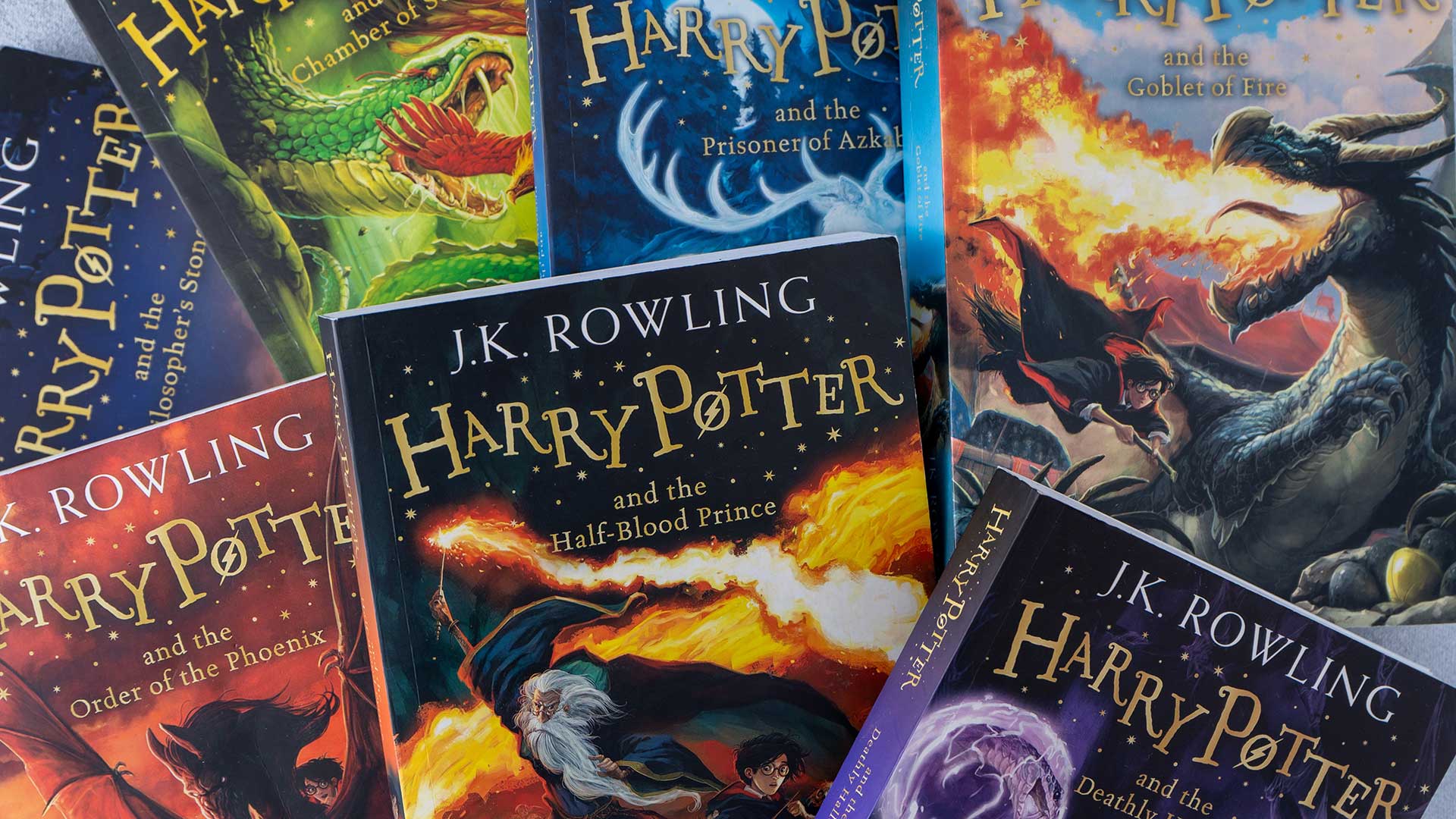
Bloomsbury Publishing, the British publisher behind the Harry Potter series, has said it does not want its books written by artificial intelligence and rejects the idea that the industry should necessarily accept such technology in both fiction and non-fiction.
Nigel Newton, chief executive of the FTSE 250 company, said publishers opposed the use of AI to write books, but admitted its use was becoming “very difficult” to detect as the technology became more sophisticated.
“We recognize the huge value of AI as a supporter of research but we don’t want our books to be written by AI,” he said.
“Editors are our radar and early warning system. There is no perfect solution today. At the end of the day, authors … want to tell the story they like. It certainly won’t improve their reputation if they are accused of plagiarism through AI or other routes.”
Asked whether publishers would eventually accept AI in fiction and non-fiction, Newton said he didn’t think it was “inevitable”.
The comments came after the launch of a new literary prize for the best work of fiction written by an author together with an AI agent. The Prix Pascal de Littérature IA is named after Blaise Pascal, who invented the first mechanical calculating machine.
The prize follows allegations that AI has been used to write works submitted by finalists and winners of several prestigious literary awards this year, including the Commonwealth Short Story prize.
In July, Bloomsbury announced that it would be one of the beneficiaries of a $1.5bn settlement with Anthropic, the American company behind the Claude chatbot. The class action concerns Anthropic training an AI model on copyrighted books it has not yet purchased. The settlement is the largest copyright settlement in US history.
More than 14,000 Bloomsbury titles are included, equivalent to $3,000 per title. In a stock market announcement on July 22, the company said the amount of each work will be divided equally between the author and the publisher after legal fees, with payments expected to start in the second half of its financial year. Bloomsbury said it has filed its lawsuit and is working on a settlement process.
Newton said that, as a member of the trade association of American and British publishers, Bloomsbury is among those who are working with other large technology companies on book scraping to train large language models.
“The amount of money you have to pay for training rights instead of grabbing them for free is relatively small in the context of the scale of a technology company,” he said.
Disputes over how AI developers use copyrighted works have also played out in the UK, where publishers have pressed ministers to protect authors’ intellectual property. In a report on copyright and artificial intelligence, published on March 18, the government said that a broad copyright exemption for AI training with an option for rights holders is not a preferred approach, and does not propose to intervene in the licensing market at this stage.
Newton, who signed JK Rowling to Bloomsbury in 1996, stepped down as chief executive this year to become chief executive. He will remain as an executive until 2031. He said the company is keeping a list of potential internal and external candidates for chief executive but has not yet officially started the appointment process.
Bloomsbury reported revenue of £152m and pre-tax profit of £9.3m for the first half of the year, down from £160m and £18.3m a year earlier.
The company maintained guidance for record profits this year, boosted by releases in the second half, including two new books from Sarah J Maas and the latest installment in Katherine Rundell’s Impossible Creatures series.
Newton said Bloomsbury is expecting a boost from the debut of HBO’s Harry Potter television series on December 25. “Harry Potter will take over the family Christmas this year, and a whole new or maybe even a few new generations of readers will be introduced to the series for the first time as a result of seeing [show],” he said.