Today, 1.3 billion adults—more than half of them women—remain excluded from the formal financial system, and low-income consumers still struggle to find and access the financial products and services they need. Contrary to the hype, stablecoins are not the best way to solve these problems.
SEATTLE—Many advances have been made in financial inclusion over the past 15 years, with account ownership in low- and middle-income countries rising from 42% in 2011 to 75% today. This largely reflects new banking models, such as mobile money, which have significantly lowered costs and technological barriers, particularly by allowing people to access their accounts using basic mobile phones. But 1.3 billion adults—more than half of them women—remain excluded from the formal financial system, and low-income consumers still struggle to find and access the financial products and services they need.
Stablecoins are touted as the technology that will eventually bring the unbanked poor into the financial system. But the hype is unwarranted.
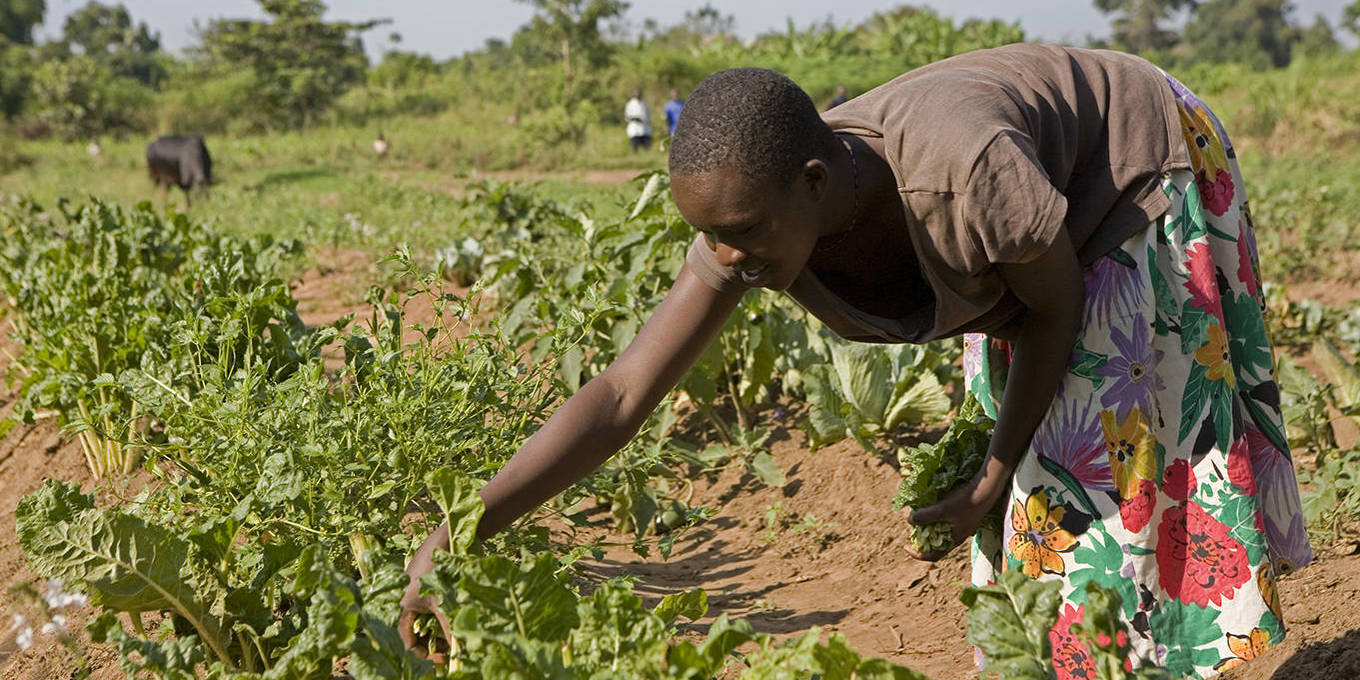
Daily domestic payments are the cornerstone of financial inclusion, and money and bank accounts linked through an inclusive instant payment system are clearly superior to stablecoins for this purpose. Both options offer 24-hour access and quick, low-cost financial transfers. But traditional accounts can be accessed through a regular phone using a simple message, while stablecoins require a smartphone or computer connected to the internet, not to mention a higher level of digital literacy. For female farmers in northern Kenya, who have basic phones and no data connections, stablecoins are not the answer.
Data supports this statement, showing that the majority of stablecoin transactions are limited to uses like buying cryptocurrency. Even where governments have tried to issue their own digital currency, such as in China and Nigeria, nothing has been done, because people do not see the benefits of adopting it. For some, digital currencies may be a disadvantage: stablecoins transfer risk from payer to payer in a way that instant payment systems do not, in part because their value on traded markets can differ from face value.
Some argue that stablecoins are better for cross-border payments. He points out that remittances sent in dollar-backed stablecoins can reach, say, Kampala from anywhere in the world in seconds and at low cost. But the recipient still has to convert the stablecoin into Ugandan shillings, and the market to do so is a fraction of the size of the market banks and money transfer operators draw on, with worse exchange rates. As a result, money transfer operators like Wise or Remitly generally offer better end-to-end value; they are certainly easier to access for most low-income recipients.
Cross-border bank transfers are still slower and more expensive than these carriers (and stablecoins), but this can be overcome by connecting domestic instant payment systems, as envisioned in the G20 Roadmap for Cross-Border Payments. This approach has been implemented in several regions: the Nexus payment system, for example, links India, Malaysia, the Philippines, Singapore, and Thailand.
Of course, financial inclusion requires more than just payments. The financial system must offer all consumers a variety of products to suit their needs. Fortunately, we may be on the verge of an explosion in new financial products for low-income customers. The key ingredient is data: critical information about individuals (disclosed with consent) can be used to create customized financial products.
This approach has begun to change lives. In Ethiopia, regulatory reforms on data exchange allowed the Cooperative Bank of Oromia to launch a loan product called Michu, built not on collateral but on transaction data, and tailored to the specific needs of borrowers. Within a year, Michu has built a customer base that is more than one-third female.
For farmers—who typically do not have extensive transaction histories, since most agricultural payments are still made in cash—different types of data can be used. The government has increasingly collected data on the land held by farmers, the crops they planted, and also the rainfall in their fields (verified via satellite), mainly to provide advice. Shared with consent, the data can enable lenders not only to accurately estimate the farmer’s current income, but also structure loan payments that match the cash flow cycle.
Lenders can even use this data model and advice to identify opportunities for individual farmers to increase their income, such as installing solar irrigation pumps. Linking loans to these opportunities will lower loan prices, reduce lender risk, and add extra value to farmers. The same data can be used for insurance prices that pay out satellite imagery when stressing drought conditions, instead of waiting for adjuster claims. It is still early days, but initiatives in Ethiopia and Kenya give reason to hope that this approach can provide farmers with the financial products they need. The National Agricultural Implementation Roadmap (NAFIR), jointly launched by the National Bank of Ethiopia and the Ministry of Agriculture, will provide lenders with a variety of data from the OpenAgriNet system, organized in a way that is useful for lenders.
Ultimately, what requires financial inclusion does not require stablecoins. Policymakers must develop an interoperable payment infrastructure so that banks, mobile money providers, and fintech companies can exchange money freely, within and across borders. Funders should support the strengthening of regulatory capacity and data infrastructure—less glamorous than launching a stablecoin pilot, but more impactful. And financial institutions must use new data to design financial products for the needs and opportunities of low-income people, rather than what they have or have done in the past.
Future progress in financial inclusion will not be decided by which digital currency wins. It will be decided whether the financial system is sufficiently open, competitive, and interconnected.