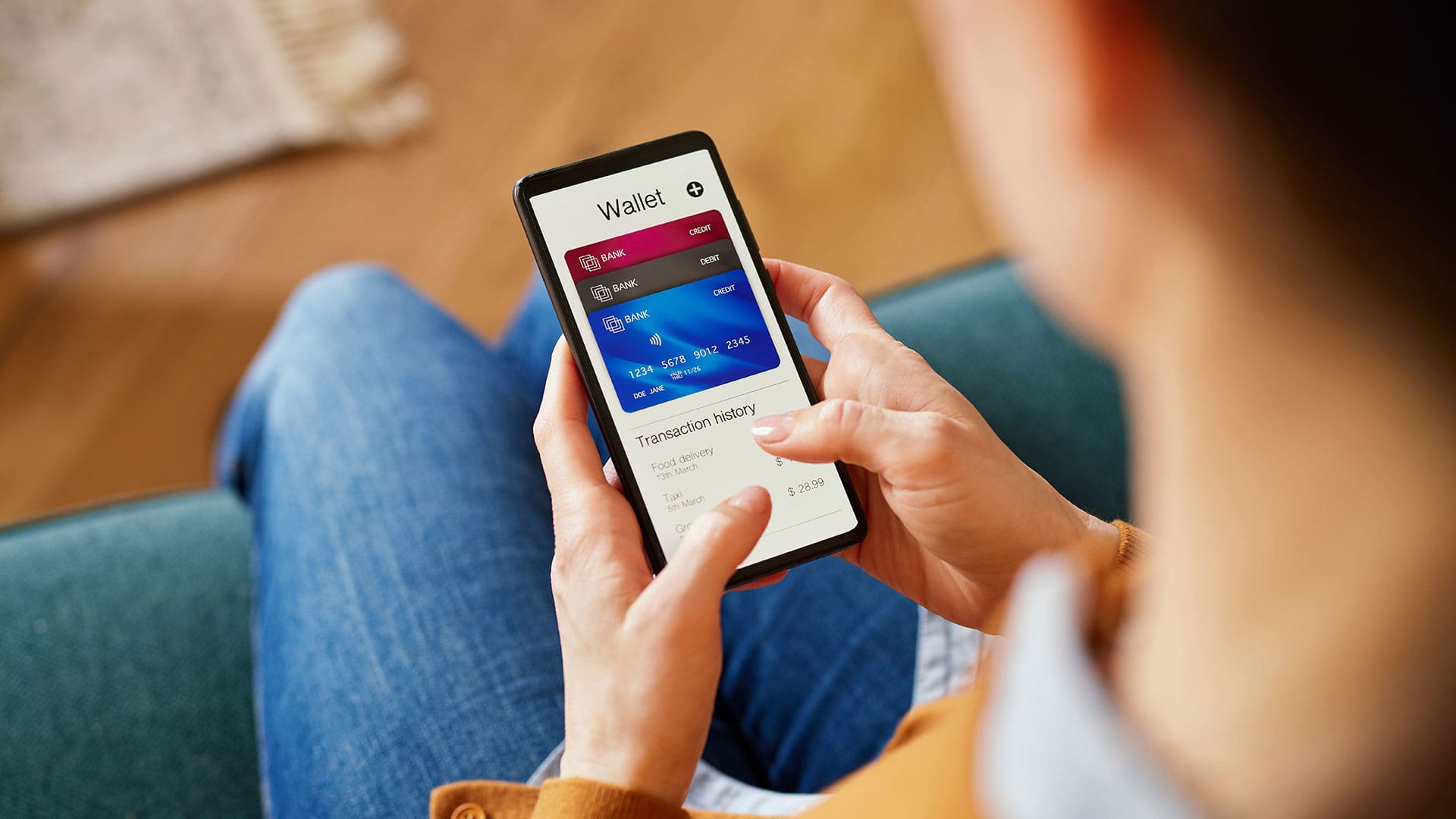
A thumbprint, tap, bell confirmation. Britain’s fintech boom is quietly transforming the way the country spends its downtime, and nowhere is that change more visible than in the online entertainment and leisure economy, where digital wallets like PayPal have gone from convenient alternative to standard.
That dominance now shapes how consumers choose where to spend. Among the most sought-after corners in the leisure market non gamstop casinos UK, where Sites comparison ranks Sites that accept PayPal in their payment speed, bonus terms and fees, in addition to the license and verification steps each person asks for a new account. For anyone weighing in on the site, PayPal’s appeal is immediate: direct deposits, withdrawals through wallets the user already trusts, and card details are never directly with the operator. The review in this place also considers responsible gambling tools, so that the reader can judge how the given site handles account restrictions and controls before parting with money – with the same due diligence that prudent consumers apply to new financial services.
What a Winning Wallet
The rise of digital wallets is not a fashion accident. It is the product of ten years of UK fintech investment, open banking regulation and a consumer base increasingly allergic to friction. The Office for National Statistics estimates card and digital trade card spending as a steady migration of discretionary spending online, with entertainment and leisure among the fastest-growing categories.
For the SME owner reading the headlines this morning, mechanics are important. A wallet strips out the awkward middle step of entering a sixteen-digit number into an unfamiliar checkout. It remembers the user, authenticates in a few seconds, and – crucially – adds a layer of separation between the buyer and the seller. That separation is exactly what is persuading cautious British consumers to spend more liberally on everything from Netflix and Spotify to Ticketmaster and game subscriptions. When trust is baked into the payment rail, people don’t hesitate to pick up the phone.
A Behavior Change, Not a Blip
It will be easy to get rid of contactless payments and wallets as a habit to follow in a leaner and more careful year. The data says otherwise. The BBC has reported on how mobile payments continue to rise despite the long-term decline of cash – a sign that digital spending has become permanent rather than reactionary.
Picture of a freelance designer in Bristol on a Friday evening. He renews his game subscription, orders takeaway through the app, and tops up his account for an evening of online entertainment – three transactions, no card in sight, each one valid with a glance at his screen. Multiply that routine across millions of adults and the scale of the change becomes clear. The leisure economy is not limited to digital wallets; it reorganizes itself around people. Loading screens, checkout flows and loyalty schemes are now built on the assumption that customers want to pay in one tap.
What It Means for Operators and Founders
For businessmen and directors who are readers of this publication, the lesson goes deeper than consumer satisfaction. Payment options have become a competitive battleground. Entertainment businesses that can’t offer PayPal or similar wallets now risk losing customers at the last hurdle – the abandoned seller. Industry research from UK Finance showing that mobile wallets are becoming more popular underlines how quickly expectations have become requirements.
A knock-on effect on the sector. Leisure business pursues rail-dependent fintech companies. Comparison and review sites, meanwhile, have sprung up as consumers now consider payment options a deciding factor – not an afterthought. Whether someone chooses a streaming service or a gaming account, the question “do you take your wallet?” come early in the decision. For startup founders, that reframes payment integration from back-office tasks to front-line features worth marketing.
Trust, Transparency and Small Print
A quiet victory in the wallet also depends on something less glamorous: responsibility. Because digital wallets keep neat records of every transaction, they give consumers a ledger of leisure spending. Visibility is important. It makes it easier to set a budget, the subscription points that should have been canceled last month, and keep the entertainment strong in the “fun” column instead of “regret”.
Responsible operators know that transparency is now part of the product. Clear terms, honest fee structures and sensible account controls aren’t optional extras – they’re table stakes to keep our money-savvy customers. Businesses that thrive are those that treat wallets not only as faster, but as relationships built around customers who know exactly what they’re paying for, when, and why.
Default No Question
What started as a convenience has become such a complete expectation that most consumers no longer see it. The UK fintech boom isn’t just spawning smart apps; it changed the nation’s muscle memory at leisure. For SME leaders watching these trends, the lesson is clear. The wallet is the new store, and businesses that value customer trust – with transparency, fair terms and genuine choice – are best placed to win leisure spending in the UK.