Cocoa prices are rising as climate conditions threaten West African crops, increasing pressure on chocolate producers who are still reeling from the fallout from the historic 2024 price spike. The pressure comes just a few weeks before Halloween, when the demand for chocolate increases. New York cocoa futures closed at $5,670 per metric ton on Friday as traders focused on supply risks, reversing some of the previous session’s decline. Last week, Goldman Sachs warned that a potentially strong El Niño could leave the cocoa market vulnerable to further supply pressures. Goldman analyst Lina Thomas said this year’s growing season is already similar to the 2023-2024 cocoa crisis, with heavy rainfall early in the season followed by unusually dry weather. Limited inventory, sluggish supply and the adjustment in demand that followed the previous surge could leave the physical market with less room to absorb another shortfall, according to Thomas. Recovery derailed “It seems like recovery is coming,” Tedd George, founder of Kleos Advisory, a consultant specializing in the African market, told CNBC. “That could be completely blown out of the water by the El Niño event.” Cocoa first rose above $11,000 per metric ton in April 2024, before reaching a record high of $12,565 in December. Cocoa futures typically traded between $1,000 and $3,500 from 2000 to the third quarter of 2022. Thomas at Goldman Sachs said the cocoa market may be more vulnerable to a poor harvest than in 2023-24. But they don’t expect the same liquidity pressure in the futures market that turned the recent shortage into an unprecedented surge in prices. Hedge funds and other traders joined the chocolate market in late 2023, and by early 2024 had bought $8.7 billion worth of chocolate futures in the London and New York markets, according to the Bureau of Labor Statistics. This added to the rally as major chocolate companies tried to secure supplies. “I expect the market to handle it better this time,” said George, adding, for example, that he does not expect another move to $12,000. Cocoa’s structural decline is particularly sensitive to changes in rainfall and temperature, and Goldman sees a “significant upside risk” to prices if El Niño worsens conditions. But George says the bigger risk is that cocoa will experience repeated disruptions rather than extreme shortages. “For the short to medium term, we will experience some surprises that will come from time to time,” he said, warning that the increasing change in conditions could lead to a “structural decrease in production.” Chocolate makers have tried for years to offset historically high cocoa costs by raising prices, hedging smaller packages and formulated products. Since the last price shock, chocolate manufacturers have taken steps to reduce their reliance on cocoa beans by reducing their chocolate content or reformulating ingredients, Goldman said. Shows the pressure Recent financial results from major chocolate manufacturers show the pressure. Lindt & Sprungli, the global Swiss chocolate maker, cut its 2026 sales growth forecast after higher-than-expected prices, blaming “weak consumer sentiment and increased price sensitivity.” In May, Hershey said it was better able to manage cocoa prices and supply volatility after diversifying its supply chain and strengthening hedging and cost controls. CFO Steven Voskuil said Hershey is now “less dependent on one specific area for our cocoa,” while the hedging program is designed to smooth out price fluctuations and give more time to make pricing decisions. Swiss chocolate maker Barry Callebaut in July said the global chocolate confectionery market declined 4.4% in its fiscal third quarter, with CEO Hein Schumacher warning that “the chocolate market remains challenging.” When Nestlé reported its first-half results in late July, it blamed higher coffee and chocolate prices for a 20 basis point drop in gross profit margin, to 46.4%, partly offset by price and cost savings. One basis point equals 0.01%. The main question now is whether consumers will continue to accept higher prices, and at what point they will start to reduce their purchases. “People don’t stop wanting chocolate,” George said. “It’s just that consumption patterns will start to change.”
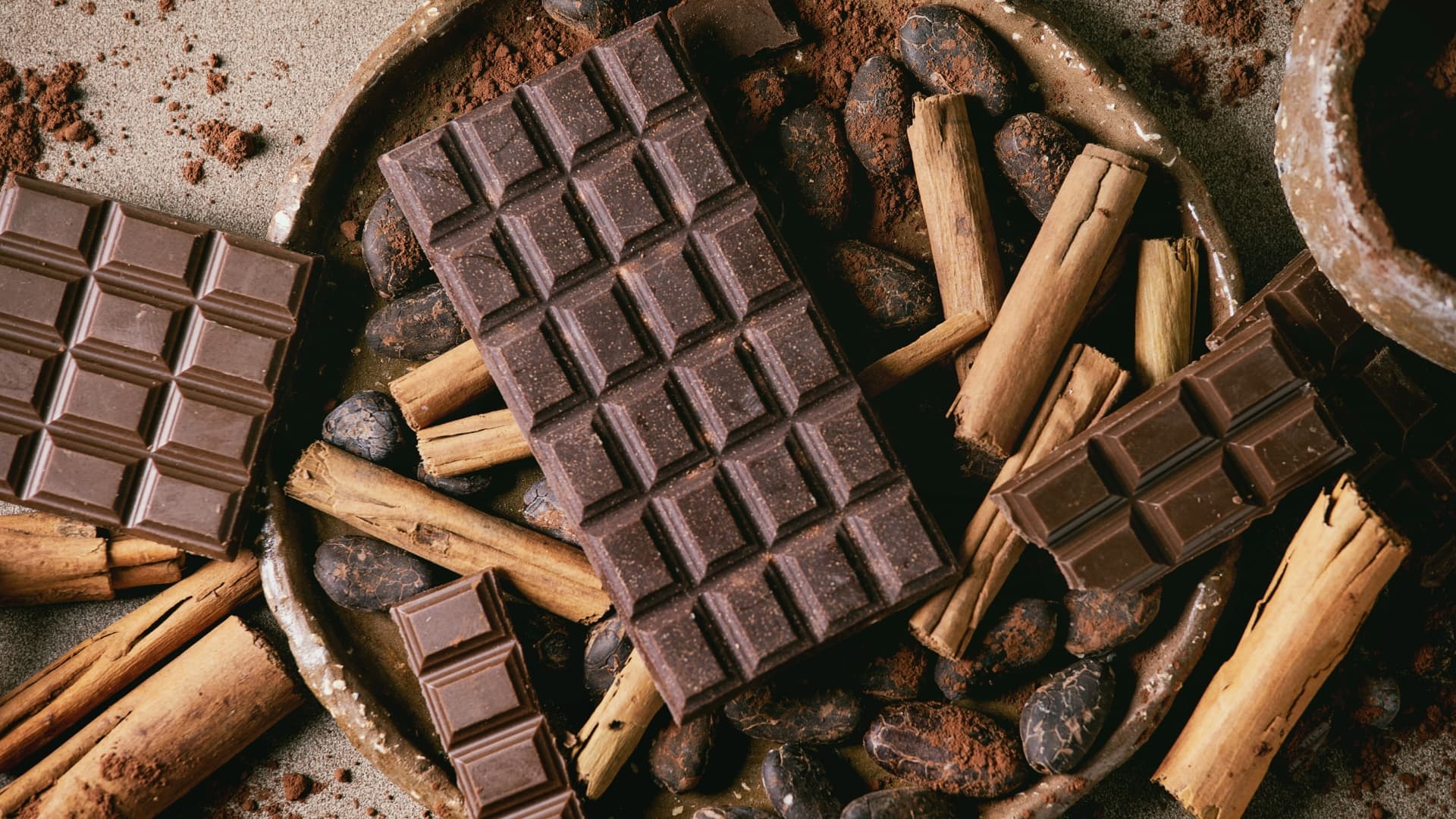
The price of chocolate has gone up again. Here’s why this time is different