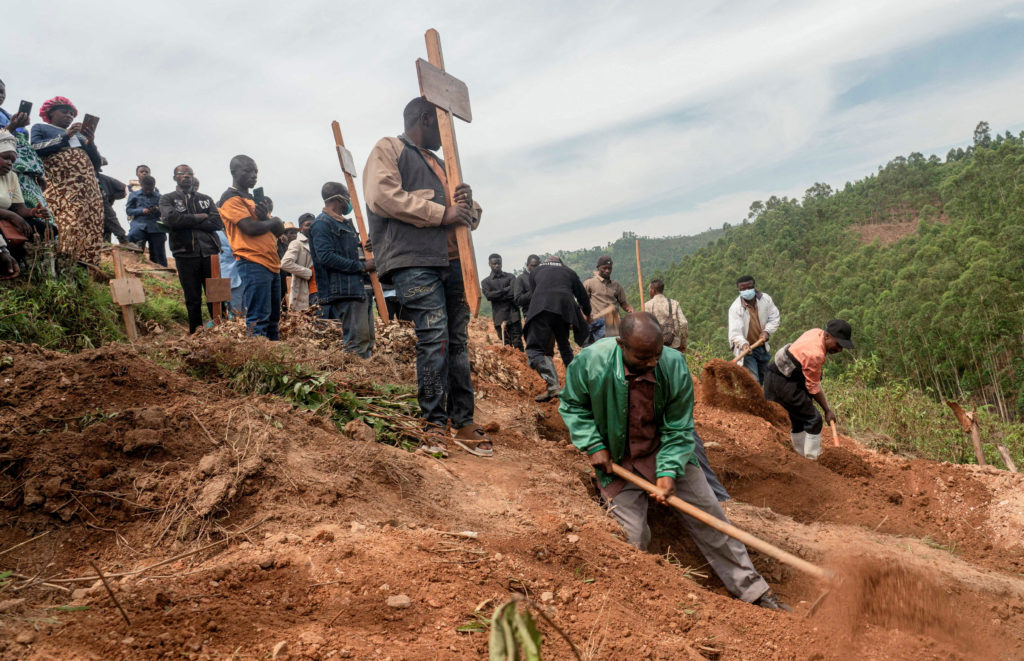
BUNYA, Congo (AP) — The death toll from Congo’s Ebola outbreak has topped 5,000, latest government data showed Saturday, as the country grapples with the virus’s relentless spread and cases in other African countries.
Data from the Congolese Ministry of Health shows that the disease has killed 5,026 out of 10,351 infected people, a fatality rate of nearly 50%. The surge in cases has raised concerns among experts about authorities’ ability to contain the deadly virus.
The latest outbreak, caused by the Bundibugyo virus, was announced in mid-May, surprising authorities. They’ve been trying to manage it ever since.
Read more: Nigeria’s first confirmed Ebola patient evacuated to Switzerland
This is already the second deadliest Ebola epidemic in history, after the two-year West African epidemic from 2014 to 2016, which killed 11,000 people in multiple countries.
“This is a very sad milestone because it is more than just a number,” said Dr. Patrick Otim, program area manager at the World Health Organization. “It is families and communities that have been devastated by this outbreak. This number also shows the seriousness of this outbreak.”
To date, 2,788 people have recovered. There is no known vaccine or treatment for Bundibugyo virus, but health workers treat patients based on symptoms.
One third of those who died received no care
Since May, the disease has spread to 67 of the 178 health districts in eight of the country’s 26 provinces. Fifty of the 67 affected health districts have active cases.
The virus is concentrated in eastern Congo, especially Ituri and North Kivu provinces, which have become the epicenter of the epidemic, with a total of 9,782 confirmed cases and a total of 4,792 deaths.
Authorities are still working to trace contacts and conduct testing, key components in containing the outbreak.
READ MORE: Ebola case confirmed in Nigeria capital, woman from Uganda tests positive
According to the Africa Centers for Disease Control and Prevention, about 80% of new cases come from outside monitored contact chains, meaning the vast majority of infections come from transmission chains unknown to health authorities.
Furthermore, WHO’s Otim said a third of the recorded deaths were of victims who died outside treatment centers before being tested for Ebola. Health officials say these issues are causing community spread beyond the direct responsibility of health workers, who can effectively manage infections according to medical protocols.
“We never have the opportunity to try to save these people, and that’s one of our biggest concerns in this outbreak. How do we reach people early enough to get them to come to a medical facility to have a chance of survival?” Otim said.
“The outbreak is difficult for everyone to cope with”
Congo’s explosive growth in infections has been followed by a series of problems that have hampered efforts to contain the outbreak.
In eastern Congo, where the epidemic is concentrated, conflicts have broken out between the government and a series of armed groups, the most prominent of which is the M23 rebel group supported by Rwanda. There is also an Islamic insurgency in the border area with Uganda, where the Allied Democratic Forces have launched attacks, limiting the access of medical staff.
Additionally, widespread disbelief has led to a series of attacks on health workers and health facilities. Last week, a nurse was killed while responding to an Ebola alert, and in September a ruling party politician was killed after advocating for health measures on the radio.
Health workers have gone on multiple strikes, shutting down facilities treating infected people, citing long delays in government payments.
On Friday, staff at the Ebola treatment center in Chomia, Ituri, laid down their tools and demanded four months of back wages. There are currently five confirmed Ebola patients and 10 suspected cases being treated at the center.
Read more: Confirmed Ebola cases top 9,000 in Congo as containment efforts falter
Moise Mugenyi, one of the striking workers, told The Associated Press: “We are tired of asking for wages. If they want to pay us wages, they will… Feeding our families has become a real issue these days.”
Ituri response operations acting chief Dr Justin Mukonkole said workers should remain patient while the government responds to their demands.
A similar situation has occurred in other health regions such as Beni in North Kivu, where services in some treatment centers have been suspended. Alain Siwako, an elected public official in Beni, said cases were rising in Beni due to a lack of fuel and financial resources from the central government.
“In Ituri and North Kivu, this outbreak has placed enormous stress on everyone responding to the outbreak, including the communities themselves,” said Rose Tchwenko, Democratic Republic of Congo country director for Prosper Global (formerly Mercy Corps).
In October, Ebola cases were confirmed in Kenya and Nigeria. Kenya has confirmed 8 cases and 2 deaths. The only confirmed case in Nigeria has been evacuated to Switzerland.
Those two countries, along with earlier confirmed cases in Uganda, make the latest outbreak the first recorded in three regions of Africa and the most geographically widespread on the continent.
Ope Adetayo reported from Lagos, Nigeria.
The Associated Press receives financial support from the Gates Foundation for its global health and development reporting on Africa. The Associated Press is solely responsible for all content. Find AP’s criteria for partnering with charities, supporter lists and grant coverage at AP.org.
A free press is the cornerstone of a healthy democracy.
Support trustworthy journalism and civil dialogue.