When a drug’s patent expires, prices should drop. This is the deal Americans make with drugmakers: years of exclusivity in exchange for cheaper generics later.
For many drugs, the deal works. Once a generic drug becomes available, competition usually drives down the price, and your out-of-pocket costs usually fall as well.
But handovers don’t always go according to plan.
A brand-name company can extend its exclusivity window long after its original invention, and each additional year the monopoly price shows up on your pharmacy bill and health insurance premiums.
That’s the question at the heart of a new report from AARP Public Policy Institute (PPI).
According to the “No Easy Solutions” report released on September 22, branded companies often use a multi-pronged strategy to slow the entry of generic drugs, including launching improved versions of existing drugs, establishing patent thickets and raising prices.
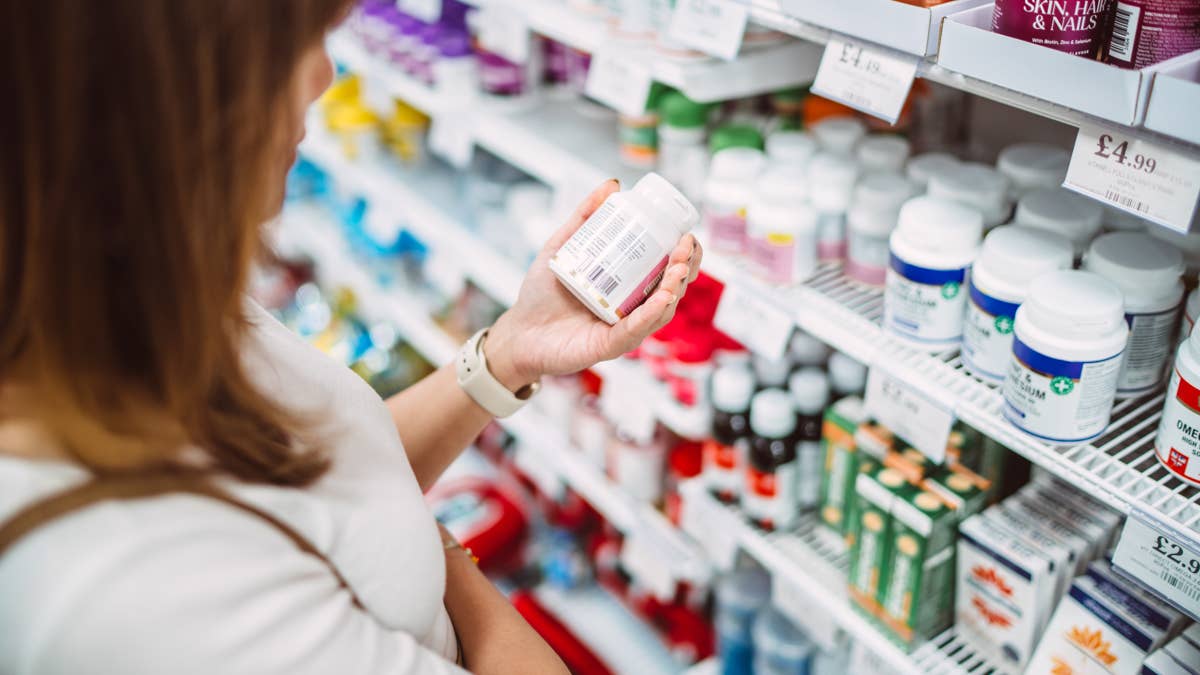
Photo credit: Tang Ming Tung/Getty Images
How brand-name drugmakers are blocking cheaper generics
The report was authored by AARP PPI’s Leigh Purvis and Verdant Research’s Anna Kaltenboeck and Jennifer Chen. It warned that the pharmaceutical industry faced an unusually large number of expiring patents, increasing incentives to delay patents.
The report groups these strategies into playbooks. In simple terms, here’s how each method works:
- Patent Jungle: A company files for many overlapping patents for a drug, so generic drug makers must wait or fight each patent.
- Modified version: A company launches a tweaked product, such as a new formula or device, and directs patients to use the original product before it faces competition.
- Price increase: A company raises pricing during its exclusivity years, thereby increasing revenue, until a generic drug becomes available.
None of this is illegal per se. That’s why the report’s title emphasizes that there are no easy solutions.
Symbicort presents hands-on manual
The American Association of Retired Persons (AARP) used AstraZeneca’s (AZN) Symbicort inhaler, a popular drug to treat asthma and chronic obstructive pulmonary disease (COPD), to demonstrate the additive effects of these strategies. According to a summary released by the Campaign for Sustainable Prescription Pricing, a coalition pushing for lower drug prices, the key findings are as follows:
- AstraZeneca has established more than 90 patents around Symbicort, covering the active ingredient and inhaler device.
- Key U.S. patents will expire in 2023, ending a 16-year monopoly period.
- Symbicort’s list price increased 158% from 2007 to 2023, more than three times the rate of inflation, with the retail price climbing from $1,965 to $4,583.
- Approximately one million Medicare beneficiaries are affected by Symbicort prices each year.
A newer inhaler, the Breztri Aerosphere, entered the market in 2020 at a significantly higher price than the Symbicort, and Medicare spending will grow rapidly through 2023, the same summary said.
Generic competition was approved before these patents expired. The U.S. Food and Drug Administration approved Viatris’ (VTRS) Breyna as the first generic version of Symbicort in March 2022, a year before the key patent expired, according to a Viatris press release.
Who pays when generics are late?
This is math in your wallet. If the retail price of a drug climbs from about $2,000 to about $4,600 over 16 years, everyone paying percentage-based coinsurance will pay more each year the monopoly lasts.
According to my analysis, greater success happens in places you don’t see on receipts. Rising drug costs will affect Medicare Part D premiums over time, with TheStreet reporting that Part D and Medigap premiums are expected to rise 50% by 2027.
That’s why delay is important even if you never use your inhaler. When a blockbuster drug remains expensive for years to come, Medicare enrollees as a whole help pay for it.
AARP wants Congress to curb patent thickets
The AARP report urges policymakers to consider legislation limiting drugmakers’ ability to delay generic competition. The CSRxP summary identifies two Senate bills from the 119th Congress:
- The Ethics Act (S. 2276) would limit brand companies to asserting only one patent from a set of related patents when suing a potential competitor.
- Remedy Act (S. 2620), which would remove the incentive to pursue additional patent applications.
Drugmakers have long argued that patents protect the investments behind new drugs. This tension is why these fights have been slow to advance in Congress.
Use open enrollment to lower your prescription costs
You don’t have to wait for Washington. Medicare’s annual open enrollment period runs from October 15 to December 7, which is the perfect time to check how your plan will cover drugs next year.
- Find each of your drugs on your plan’s 2027 formulary and check whether generic or low-cost alternative drugs are covered.
- Ask your pharmacist or doctor if a generic medicine (such as Breyna for Symbicort) is right for you.
- Use Medicare’s Plan Finder tool to compare plans, since cheaper premiums still mean higher drug costs.
I would also keep a list of every medication you took this year and how much you paid for it. This track record makes it easier to spot price increases before they surprise you.
Generic drugs should be the reward you’ve been waiting for. Understanding how wait times stretch is the first step to getting your share of savings.
RELATED: AARP explains huge new Medicare overhaul coming soon