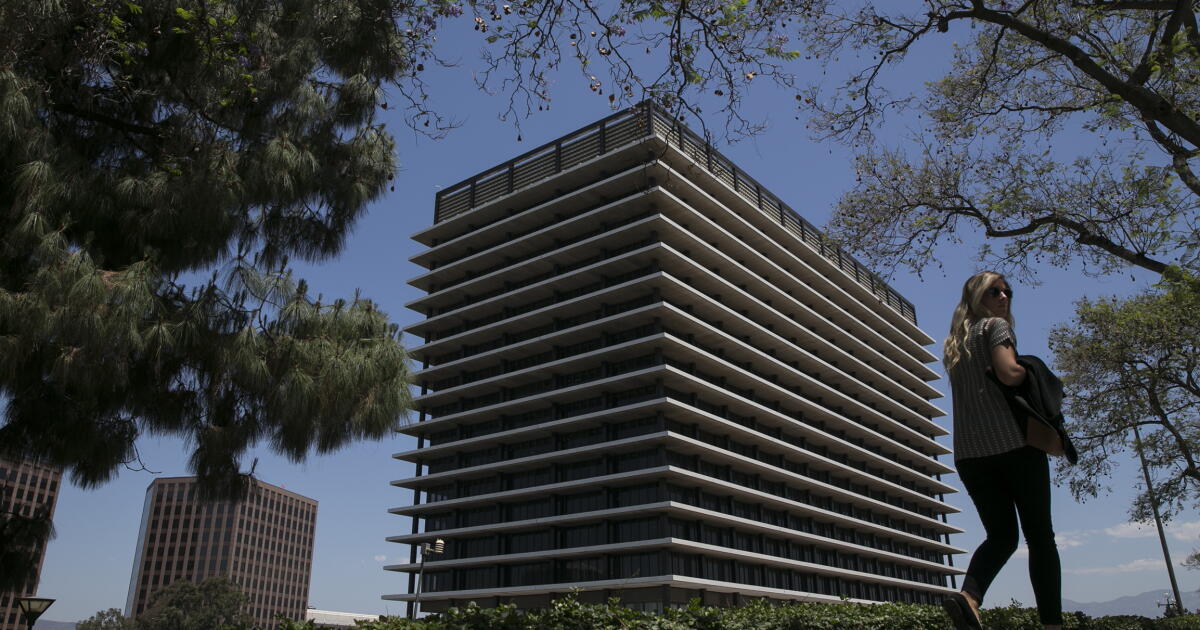
The Los Angeles Water and Power Commission took action Tuesday to immediately suspend residential water and electric service shutoffs as payments remain unpaid for the remainder of the year after a period of unusually high utility bills.
While the council does not have the power to waive the fees – which are still due at the end of the year – council chairman Allan Marks encouraged residents to take part in schemes that could help mitigate rising costs.
The move comes as complaints about unusually expensive utility bills spread widely on social media. At Tuesday’s board meeting, some residents expressed surprise at the high bills and called for an audit of the Department of Water and Power.
Marks said he agrees that utility bills could use more transparency.
“It’s always good to keep the public focused on things because it does force change,” he said.
Another commissioner, Benny Tran, said the measure was not a ceiling but “a floor on what we can do.”
According to the board resolution, DWP customers’ median electricity usage increased by 15% to 20% during the most recent bimonthly billing period compared with the same period last year. Officials said unusual weather conditions played a role, with the number of extreme heat warning days tripling from five in 2025 to 15 so far this year.
But some ratepayers are calling for a reexamination of utility companies’ rate structures, saying air conditioning is a lifeline, not a luxury, as temperatures continue to rise. Presented by San Fernando Valley resident Micah Reed Online petition There are calls for an audit and relief for taxpayers after receiving DWP bills of more than $3,300 between the end of July and the end of September. More than 39,000 people have since signed in support.
As part of the board-approved resolution, DWP will review and develop recommendations to update its electric rate regulations and better educate ratepayers about their bills. Marks said the current rate regulations are outdated and haven’t changed in several years.
The board’s vote came after Mayor Karen Bass asked the board to suspend services for people who may have trouble paying their bills.
“Angelenos are being hit with bills they didn’t expect and can’t afford, and they need relief now,” she said in a statement.
She also called for an external independent audit of the DWP rates structure, saying it “should explain how rates are calculated, justified and billed, assess the cost of services, and examine rate design to improve long-term affordability and protect taxpayers from unexpected bill surges.”
Shortly after the vote, Bath’s mayoral opponent, Councilmember Nithya Raman, appeared in front of the DWP building downtown with City Finance Director Kenneth Mejia to reiterate her own call for an audit – which would be conducted by the Finance Director’s office.
“On day one, I will ask Finance Director Mejia to audit key functions of our government, including homeless spending and the Department of Water and Power, and I will ensure his office has the resources to do this,” Raman said. “What I’m asking for is transparency. If taxpayers are going to face increased costs, the DWP needs to justify those increased costs to the council.”
Mejia said his office does not have the manpower to conduct proactive audits of the department, with only eight auditors capable of completing two to three audits per year. He said he had begun investigating the DWP after receiving reports of high bills, but a more proactive approach would improve transparency.
“What we need is ongoing audits, actually every year, and that’s what we’re missing,” Mejia said.
Marks said he welcomed the audit but noted the cost would be borne by taxpayers. Adjusting the rate ordinance would also be difficult and would require City Council approval, he added.
The DWP said the base rate for utility bills has not changed since July 2019, but pass-through adjustments may fluctuate from year to year to cover costs due to fuel or inflation.
Timothy O’Connor, the city’s independent ratepayer advocate, previously told The Times that rate reform and increased aid to low-income customers would be difficult to implement because Proposition 26 limits utilities’ ability to charge for anything other than the direct cost of providing electricity.
O’Connor said in a statement Tuesday that the department is “long overdue for an update to its electric and water rates” and that his office “applauds city leaders who have called for an audit of how we make our rates better serve the people and businesses of Los Angeles.”
“LADWP needs a broader affordability strategy to support its customers,” he said. “We expect more details to come, but what we’re seeing is certainly a step in the right direction.”
A speaker at Tuesday’s meeting, a Park La Brea resident with a disability, said her DWP bill for the two-bedroom apartment she shares with her mother went from about $150 to $900. She said her mother is her caregiver and they have a limited income.
“We’re just doing what we can to survive,” she said. “A lot of people don’t have jobs. … There’s a lot of older people out there who are struggling to survive. Of course, in Los Angeles, it’s just too many.”