Number of views: 2
Contributed by Dan Rose, senior local business guide specializing in dental services in New York City
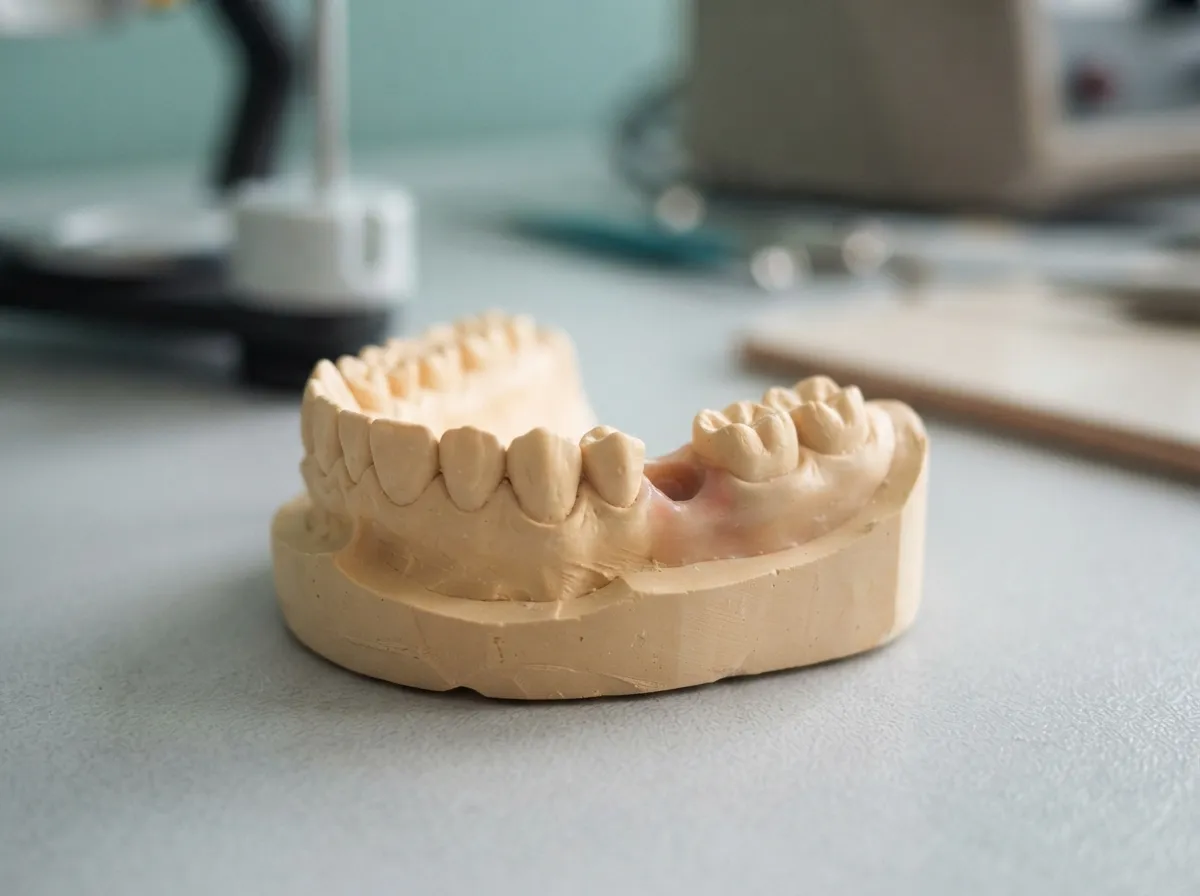
Two people may be missing the same tooth in the same location and require different answers. The variable that most often determines it is not the mouth, but the number of years the job must last.
This is a question that most consultations skip, and it’s worth asking your own questions before anyone makes a treatment plan.
Why the same gap leads to different decisions at forty and seventy
Replacement teeth are not a one-time purchase. It is a component that must be able to withstand daily loads, remain cleanable, and be maintained by someone (who may not be the dentist who placed it).
At forty years old, a solution may have another forty years of life, which makes durability and whether it can be repaired rather than replaced when something eventually goes wrong becomes important.
By age seventy, the calculation changes. Fewer years of service are required, but other factors also come into play: how easily the device can be operated by hands that may become less dexterous, how it interacts with medications and medical conditions, and how long a reasonable amount of treatment is needed.
Neither set of priorities is better. They are different, and a plan developed without asking which one applies is a plan based on assumptions.
What does the time frame actually determine?
Three things, specifically.
Whether the work is repairable or replaceable. Some solutions can be tweaked and readjusted over the years; others fail and must be rebuilt from scratch. Forty years on, this disparity has become more complex. Eight years on, it matters less.
How much was committed around the mouth. A traditional bridge is anchored to the teeth on either side, which means those teeth are reshaped to carry it. Where these neighbors are young, healthy, and untouched, bringing them in is a bigger decision than where they’ve already made extensive repairs.
How much maintenance is realistic. Each option requires maintenance, and different amounts of maintenance in different forms. The honest question is not which is needed most, but which maintenance you will actually continue to perform.
The numbers behind the problem
Tooth loss is not uniform, and this pattern tells something useful about planning.
this National Institute of Dental and Craniofacial ResearchAccording to the National Health and Nutrition Examination Survey report from 2017 to March 2020, 5.9% of adults ages 50 to 64 have lost all of their natural teeth.
Within the same age group, the proportion of smokers is very clear: 7.6% of current smokers and 0.3% of never smokers. That’s a difference of more than twenty-five times.
Helpful reading is not a warning. The trajectory of the mouth has a more important impact on the plan than the individual teeth in question, and the factors that drive trajectory are mostly known and mostly solvable.
Where decisions go wrong
Four patterns are worth recognizing because each can be avoided.
Choose this option for speed
Some routes take weeks to complete, others a year, and when someone wants to host an event, the quick option wins by default. If it’s a priority, it’s a legitimate priority. This becomes a problem when a brief timeline quietly determines something that has been talked about for twenty years.
No one asked how long it would last
This sounds like an uncomfortable question, especially to older patients, so it’s not asked. It shouldn’t make people uncomfortable – it’s the most practical question of the conversation and most people will have no problem answering it once they’ve asked it.
Medical history collected but not used
Diabetes, bisphosphonates, head and neck radiation, blood thinners, immunosuppression: each can change what is advisable, what order is safe, and how healing is done. Being handed a form to fill out is not the same as having a discussion.
If your condition is on this list but no one has mentioned it since, bring it up before agreeing to treatment, not afterward.
The plan assumes never losing a tooth again
If a solution adapts well to the current situation but will not adapt if an adjacent tooth is lost in the future, the options for this solution are narrower than they appear. It’s worth asking directly: If this adjacent tooth falls out in ten years, will the work I agreed to today still be valid, or will I have to start over?
What to bring to the conversation
Three things make dating vastly more efficient:
- Say out loud your honest answer for how long you want this to last
- List of current medications and conditions, including any recently started
- Any previous radiographs you can obtain that can give the dentist a before and after rather than a single snapshot
The third type is the most easily overlooked and the cheapest. The records belong to the patient, and the previous clinic will typically release copies upon request.
Before choosing, the consequences
Before weighing any one factor, one thing worth knowing is what happens to the surrounding teeth while the gap remains open, as this determines which options are still available when making a decision.
This guide explains more fully how adjacent teeth move and why the location of the gap determines access for certain treatments. This guide explains how missing back teeth affect the rest of your mouth.
Where to have this conversation locally
Pure Arts Dental Care, located on Queens Boulevard in Rego Park on the border of Forest Hills, plans to perform tooth replacements based on 3D scans taken during consultations and has its own dental laboratory. Patients are welcome to bring treatment plans or radiographs obtained elsewhere.
Fine Art Dental Care
98-71 Queens Blvd, Rego Park, New York 11374
Phone: (718) 437-7777
Working hours: Monday to Friday, 9:00 am to 5:00 pm
To schedule a consultation, please call the office during business hours or request an appointment through the clinic website.
This article is for general information only and is not intended to replace an examination and personalized advice from a licensed dentist. Individual circumstances and results vary. Data come from the National Institute of Dental and Craniofacial Research and were taken from the National Health and Nutrition Examination Survey from 2017 to March 2020.