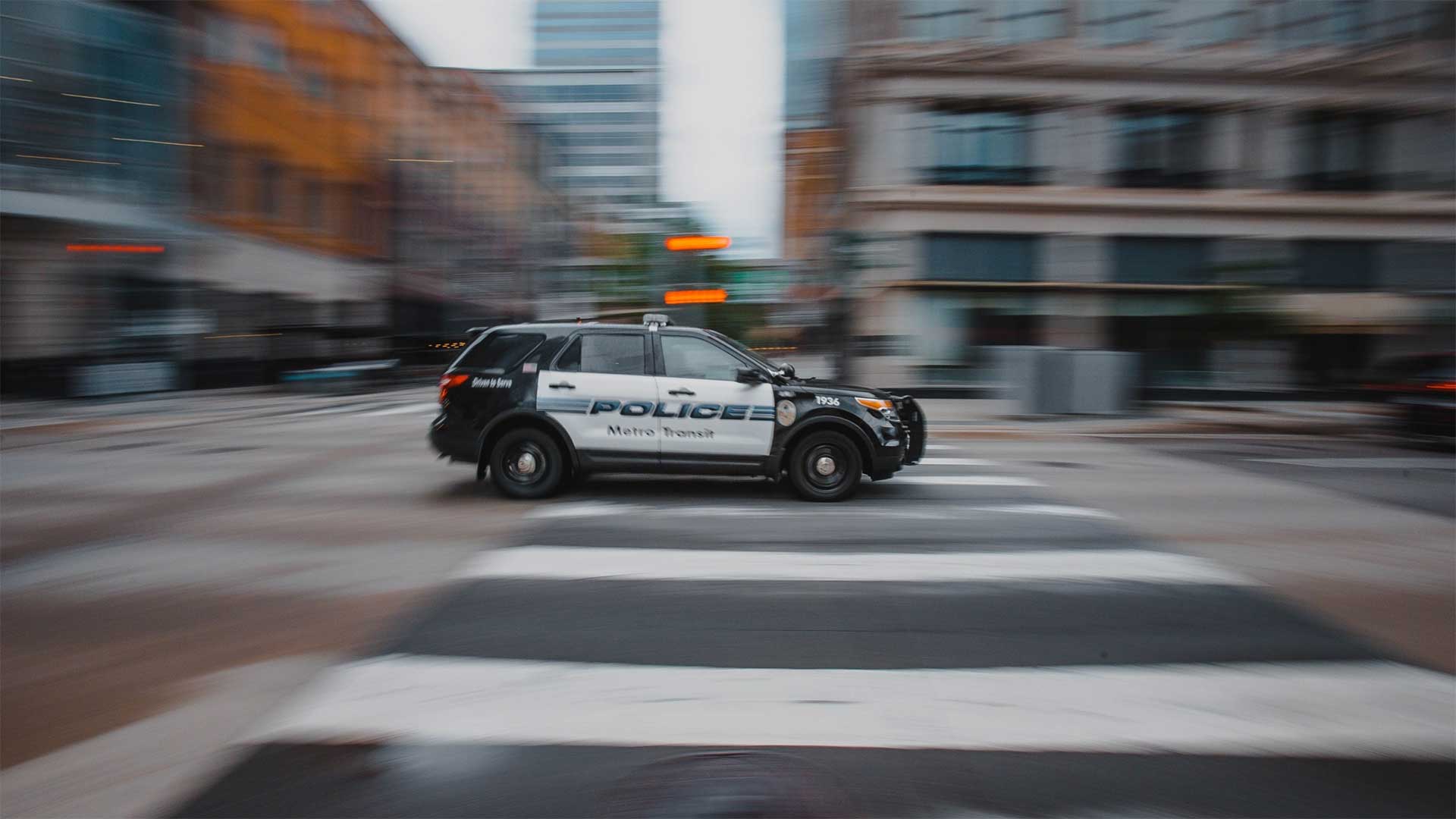
Peter Grimyser spent 27 years navigating these responsibilities during his career at the University of Wisconsin–Madison Police Department.
Grimyser eventually retired as a Detective/Sergeant, having gained extensive experience in criminal investigation, critical incident response and public safety. Her work involves coordinating with university officials, fellow officials and outside organizations to deal with sensitive situations that require careful consideration.
His interest in law enforcement led him to Marian University, where he earned a Bachelor of Justice Administration degree in 1998. He also worked part-time with the Cottage Grove Police Department in Wisconsin, gaining experience in community policing and the challenges facing local law enforcement agencies.
As his career progressed, Grimyser took on responsibilities involving risk assessment, investigative planning and advising organizational leaders. They develop an approach to making important decisions to understand the facts, communicate clearly and recognize when additional expertise is needed.
His experience also reinforces the importance of cooperation in modern policing, especially in a university environment where public safety issues can involve multiple departments and communities. Over time, he became familiar with the challenges of managing investigations while balancing legal requirements, operational priorities and public trust.
Now semi-retired, Peter Grimyser continues his commitment to public service through his volunteer work with the American Red Cross. His career has given him insight into the judgment, preparation and teamwork involved in law enforcement investigations.
What first drew you to a career in law enforcement?
I am interested in knowing how the legal system works and how law enforcement fits into it. There is a lot more to policing than most people realize. Officers must understand the law, make decisions based on facts and understand how those decisions affect the people involved.
I studied Administration of Justice at Marian University and graduated in 1998. That education helped me understand the principles of police work and gave me a foundation to build on throughout my career.
How did working with the Cottage Grove Police Department shape your early experiences?
Working part time with the Cottage Grove Police Department gave me experience in community policing. In smaller communities, officers may encounter a variety of situations, and knowing how to communicate with others is important.
I learned that you can’t approach every situation the same way. Sometimes you need to act quickly, while other situations require more patience and information. Understanding these differences came in handy as I continued my career with the University of Wisconsin–Madison Police Department.
How is law enforcement different on university campuses?
University has its own challenges as you work in an environment with students, faculty, staff and visitors. There are many different situations to consider, and what happens on campus can affect the wider community.
At UW–Madison, police work involves everyday public safety issues as well as more complex incidents that require cooperation between departments. You also need to know how the university operates because it may involve several organizations with different responsibilities.
You finally retire as a Detective/Sergeant. How have your responsibilities evolved over the years?
As my career progressed, I became more involved in investigations and situations that required coordination between different people and departments. Working as a Detective/Sergeant means looking beyond the immediate events and considering evidence, the legal process and what other investigators or organizations need to know.
There is also an element of leadership. You must communicate clearly, support your colleagues and make sure that important details are not forgotten. I find that preparation and experience are often just as important as making quick decisions, especially when things change.
What is it about criminal investigations that the public rarely sees?
I think people sometimes underestimate how much work goes into gathering and checking information. Investigations are not always straightforward, and initial explanations of what happened may change as more evidence becomes available.
You may have multiple accounts of the same event, and each one remembers something different. The challenge is to understand what the evidence actually supports rather than relying on assumptions.
There is also a legal process to follow. Investigators have to know how evidence is collected, documented and presented because decisions made during an investigation can have lasting consequences.
How important is cooperation between different law enforcement agencies?
It is very important, especially when the incident involves several people, locations or areas of responsibility. Throughout my career, I was involved in situations where communication between different stakeholders was necessary.
One organization may have the information the other needs, or an outside agency may have resources that can help continue the investigation. Good collaboration means knowing who needs to be involved and ensuring that information reaches the right people while respecting the responsibilities of each organization.
What has your experience taught you about making decisions under pressure?
One of the biggest lessons is that staying calm gives you a better chance of making good decisions. When something serious happens, there may be pressure to act quickly, but you still need to know the facts.
Preparation makes all the difference because knowing your responsibilities, knowing the resources available and having a good working relationship with your colleagues can make difficult situations easier. I also learned that you won’t have all the answers right away, so part of good judgment is figuring out what you know, what you don’t know and what needs to happen next.
Has semi-retirement changed the way you think about public service?
After spending 27 years with one police department, semi-retirement has given me the opportunity to think about the different ways people can contribute to the community. I remain involved in volunteer work with the American Red Cross, which allows me to continue to support others outside of my traditional law enforcement role.
My career has taught me that people often rely on others in difficult situations. Whether someone works in policing, emergency response or a volunteer organization, being ready and willing to help can make a difference.
What would you say to someone considering a career in criminal investigation today?
I would encourage them to learn about the legal system and the responsibilities involved in investigative work. It involves much more than responding to an incident or finding a single piece of evidence.
Communication, patience and attention to detail are all important skills. You must also be willing to learn as technology, law and investigative methods continue to evolve.
Looking back on my career, I think the most important qualities are being reliable, staying open to new information and understanding the responsibility that comes with making decisions that affect others.