The Department of Health and Human Services is giving compounding pharmacies the temporary green light to produce six peptides while the agency continues to work on formal rule changes.
In a notice filed Wednesday, the agency said it will exercise “enforcement discretion,” meaning it will not take legal action against compounding pharmacies that produce the six unapproved peptides. In practical terms, this means these pharmacies can start offering them now, even though the peptides are not yet on the FDA’s list of ingredients that pharmacies are allowed to compound.
These six peptides are BPC-157, epitalon, KPV, MOTS-c, semax and TB-500.
They’re promoted online as a treatment for everything from faster healing to younger-looking skin and longer life. None of the drugs have been approved by the FDA, and the agency’s own scientists concluded there was insufficient data to prove they were safe and effective.
The FDA says compounding pharmacies must demonstrate the identity and purity of compounds. They must now also report side effects, which was not required before.
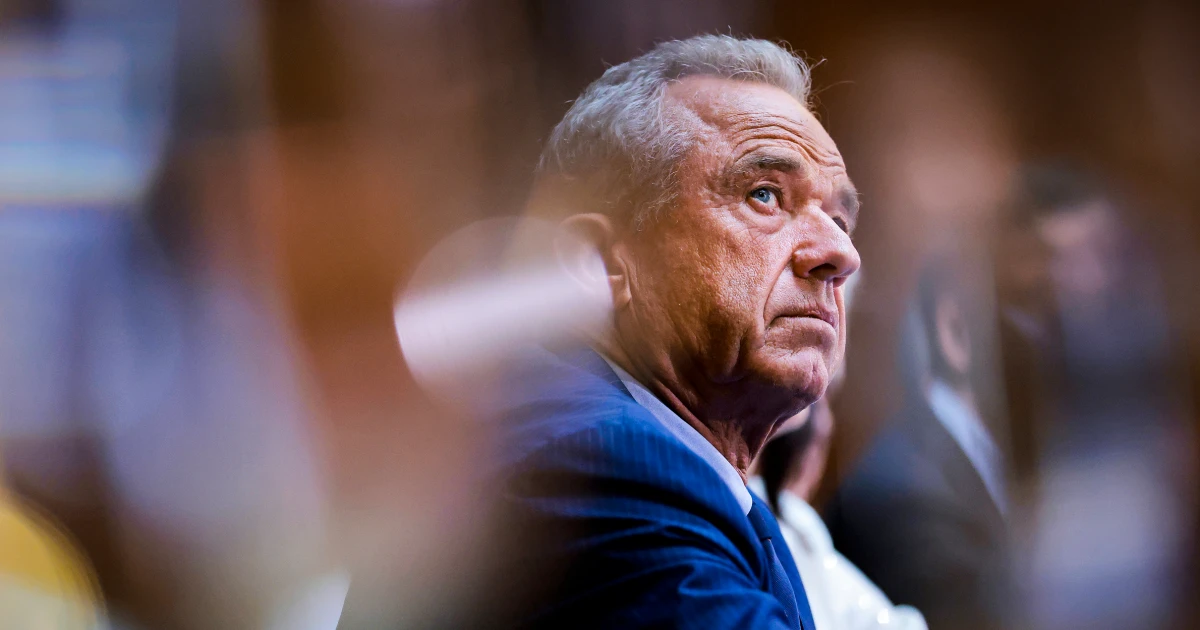
The move comes as a “grey market” is emerging around peptides, with retailers selling them with “research use only” labels as a legal way around them to claim they are not suitable for humans. Surgeon General Robert F. Kennedy Jr. and others believe that allowing synthetic peptides will divert people away from this gray market and toward safer products.
“Under President Trump’s leadership, HHS is working to put prevention and patient safety at the center of health care, including addressing the risks of black market peptides,” HHS spokesperson Emily Hilliard said in a statement.
Dr. Peter Lurie, a former FDA official who now heads the Center for Science, a public interest watchdog group, said the agency is essentially “turning a blind eye” to expand access to drugs that have not yet been proven to be effective.
Compounding pharmacies can generally only use ingredients that the FDA has added to an official list called the Ingredient Drug List. Adding an ingredient requires the FDA to propose a rule, solicit public comment and issue a final rule, a process that can take months.
The agency took a step toward that process in July when an FDA advisory panel narrowly voted to add six peptides to the bulk list. The panel includes six new appointees with ties to the peptide industry and another is the son of a U.S. representative who pushed Kennedy to increase the availability of peptides. (At that meeting, some committee members expressed concern that the recommendation could make it harder for the FDA to say no to other unapproved drugs in the future.)
The FDA plans to meet with outside groups on Tuesday and Wednesday, including Medivant Healthcare, a compounding pharmacy that supplies the peptide, according to Reginfo.gov, a federal website that tracks government regulations.
Shabir Safdar, executive director of the Partnership for Safer Drugs, which studies the dangers of counterfeit drugs, said both enforcement discretion and upcoming rule changes will expose Americans to “untested dangerous substances.”
“Imagine what it would mean if the country’s top drug regulator announced that they would not enforce the law against people who make completely untested compounds and distribute them to the public,” Safdar said.