Tesla’s self-driving taxis face a new safety question: Do they slow down when children go to school?
On Monday, the National Highway Traffic Safety Administration announced it had launched a defect petition review into allegations that 2026 Tesla Model Y robotaxis and Cybercabs exceeded school zone speed limits while Autopilot was active.
An investigation began on Friday after an unnamed petitioner submitted three videos to support the claim, documents show. NHTSA said it will evaluate the complaint before deciding whether to approve or deny a formal investigation.
Agency documents list no reports of accidents or injuries and estimate about 1,000 vehicles may be affected.
Tesla did not immediately respond to Business Insider’s request for comment.
The review comes as Tesla works to turn robotaxis into a bigger business.
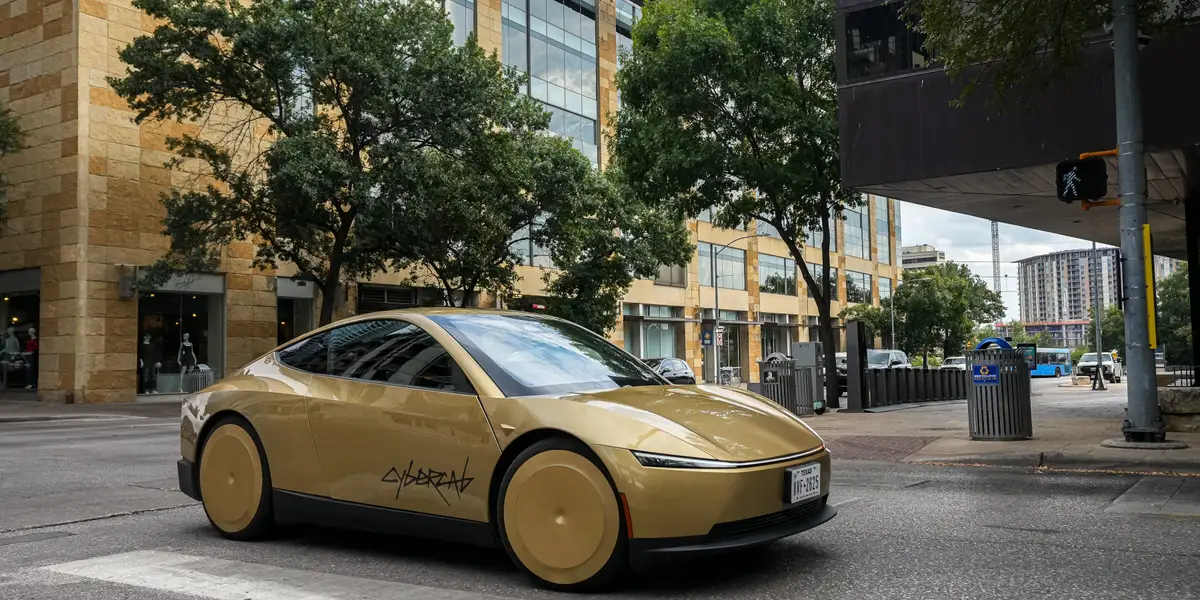
The electric car maker has expanded its self-driving services from Austin to other Texas cities and Florida with its Model Y robotaxis. In September, the company added the steering wheel-less Cybercab to its Austin fleet.
Chief Executive Musk has gradually shifted Tesla’s focus from traditional car sales to autonomous driving, artificial intelligence and robotics.
The rollout of self-driving cars has previously drawn the attention of federal regulators. Hours after Cybercab began providing service in Austin, NHTSA launched an audit investigation into Cybercab’s self-certification.
School zones have also put rival robo-taxi companies in trouble.
NHTSA launched a preliminary investigation into Waymo last year after reports that its vehicles passed stopped school buses in Austin and Atlanta. The Google-owned robotaxi company issued a voluntary recall in December.
In January, a Waymo vehicle hit a child near an elementary school in Santa Monica, California. The child suffered “minor injuries,” according to NHTSA, and Waymo said in a statement posted on its website that the vehicle “braked hard, reducing its speed from approximately 17 mph to less than 6 mph prior to contact.”