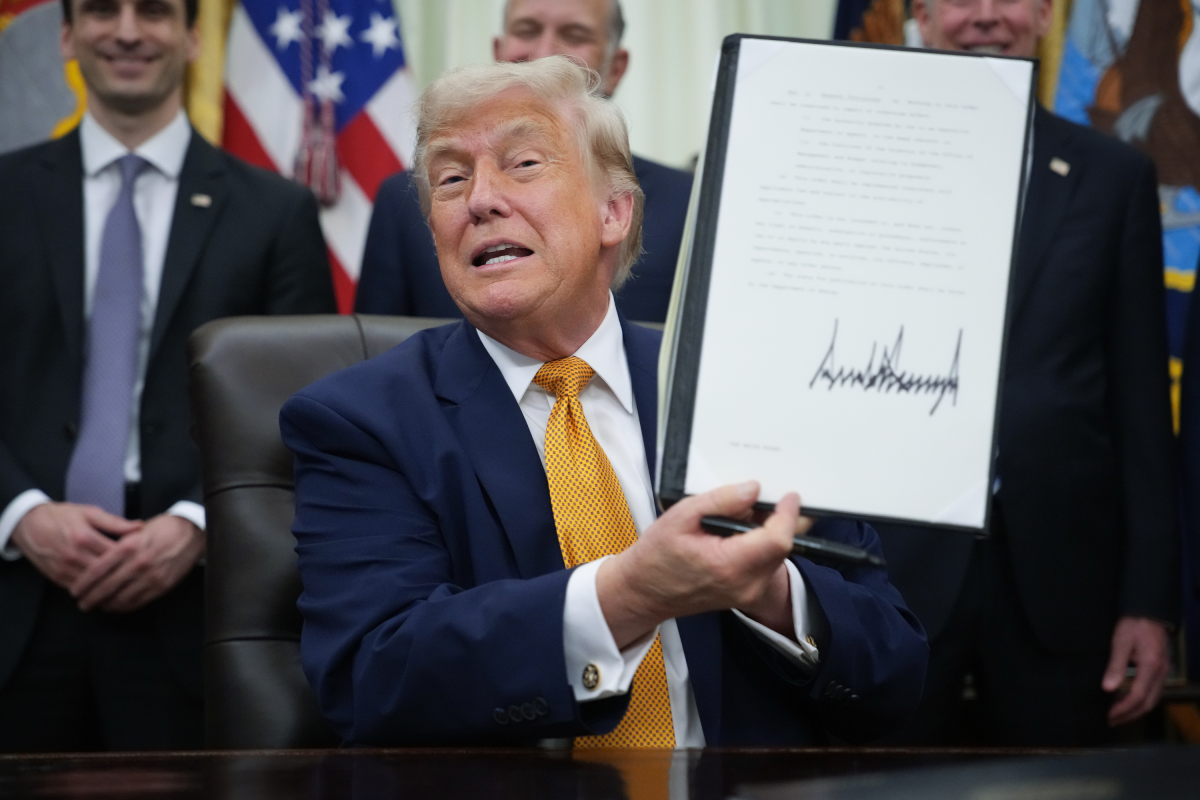
President Donald Trump signed 10 bills into law on Tuesday, October 20, covering a wide range of issues from Social Security and online dating scams to human trafficking and domestic manufacturing, the White House announced.
The measures include new protections for dating app users who communicate with alleged scammers, redesignating an Arizona national monument as a national park and giving some clergy the opportunity to revoke Social Security exemptions.
Clergy Law
HR 227, the Clergy Act, affects clergy, which includes church ministers, members of religious orders and Christian Science practitioners, who previously received exemptions from Social Security.
The new law provides a two-year period during which eligible clergy can petition the Internal Revenue Service (IRS) to revoke that exemption, allowing them to rejoin Social Security.
The legislation is intended to create another opportunity for clergy who previously opted out of Social Security coverage to reverse that decision. Existing law generally prohibits the revocation of such exemptions, so HR 227 creates a specific exception to this rule.
Pleasant Valley Ranger District Land Transfer
HR 837 relates to federal lands in Arizona. The law requires the federal government to transfer ownership of the Pleasant Valley Ranger District administrative site in Arizona’s Tonto National Forest to Gila County.
The property transfers without paying for the land itself, although the county must pay fees associated with the transfer, such as surveys and required environmental analyses.
The law has now been enacted, but the land won’t change hands immediately. Gila County must make a written request for the property within 180 days of the law’s enactment.
Critical Infrastructure Manufacturing Feasibility Act
HR 1721 (Critical Infrastructure Manufacturing Feasibility Act) seeks to determine whether high-demand products needed in the United States’ “16 designated critical infrastructure sectors,” including chemicals, energy, health care, transportation systems, and water and wastewater treatment, can be manufactured domestically.
The law directs the Commerce Secretary to identify products that are in high demand but that are importable due to U.S. manufacturing, materials, or supply chain constraints. Officials must review the costs and benefits of manufacturing these products in the United States, including potential impacts on employment, working conditions and product prices.
The study must be conducted within one year, and a report containing the findings and recommendations must be submitted to Congress within 18 months and posted on the Commerce Department’s website.
Lower Elwha Clallam Tribe Plans Land Restoration Act
HR 2388 (Lower Elwha Clallam Tribal Planned Lands Restoration Act) would grant approximately 1,082.63 acres of federal land in Washington state to the Lower Elwha Clallam Tribal Community, or the Lower Elwha Clallam Tribe, making the land part of the Lower Elwha Clallam Indian Reservation and restoring it to tribal trust status.
The bill directly benefits tribes and changes the legal status of certain federal lands. It also directs the Secretary of the Interior to conduct a survey “as soon as possible” after enactment to determine the boundaries of the property.
The legislation provides that the transferred land cannot be treated as Indian land under the Indian Gaming Regulation Act.
Romance Fraud Prevention Act
HR 2481 (Romance Fraud Prevention Act) introduces new protections for people who use online dating services.
Online dating platforms must now issue warnings to users who receive messages from members who have been banned for fraudulent activity. The warning must identify the banned account and warn that the person “may be using a false identity or attempting to defraud members.” It must also advise users not to send money or financial messages and provide fraud prevention and customer service information.
Providers generally must send notice within 24 hours of the imposition of a fraud ban, but in some cases they can delay it by up to three days.
Central South Foundation Land Transfer Law
HR 3620 (Mid-South Foundation Land Transfer Act of 2025) relates to property in Anchorage, Alaska.
The law requires the Secretary of Health and Human Services to transfer approximately 3.372 acres of federal property in Anchorage to the Southcentral Foundation, which must be used for health and social services programs.
As with Gila County’s legislation, the foundation does not have to pay the federal government for the property, but the secretary must complete the transfer “as soon as practicable but no later than two years.”
Strengthen the investigation of human trafficking
HR 4307, the Strengthening Human Trafficking Investigations Act, focuses on the role some federal employees can play in detecting possible human trafficking.
The law requires the Secretary of Labor to establish training and continuing education programs for certain Department of Labor employees to assist them in detecting human trafficking while performing their jobs. Training must include procedures for identifying suspected victims and suspected traffickers and for referring potential cases to the Department of Justice and other relevant authorities.
The Secretary of Labor has 180 days to implement the training program. The law also requires “periodic continuing education,” not just a one-time training event.
Vicksburg National Military Park Boundary Modification Act
HR 4467 (Vicksburg National Military Park Boundary Modification Act) authorizes another federal land transfer.
The law requires the Secretary of the Interior to transfer a total of approximately 7.43 acres of land within Vicksburg National Military Park to the state of Mississippi without compensation. The law states that Mississippi must use the land “to facilitate public access to the park and enhance the visitor experience.”
chiricahua national park law
HR 6380 (Chiricahua National Park Act) changes Chiricahua’s official status from a national monument to a national park.
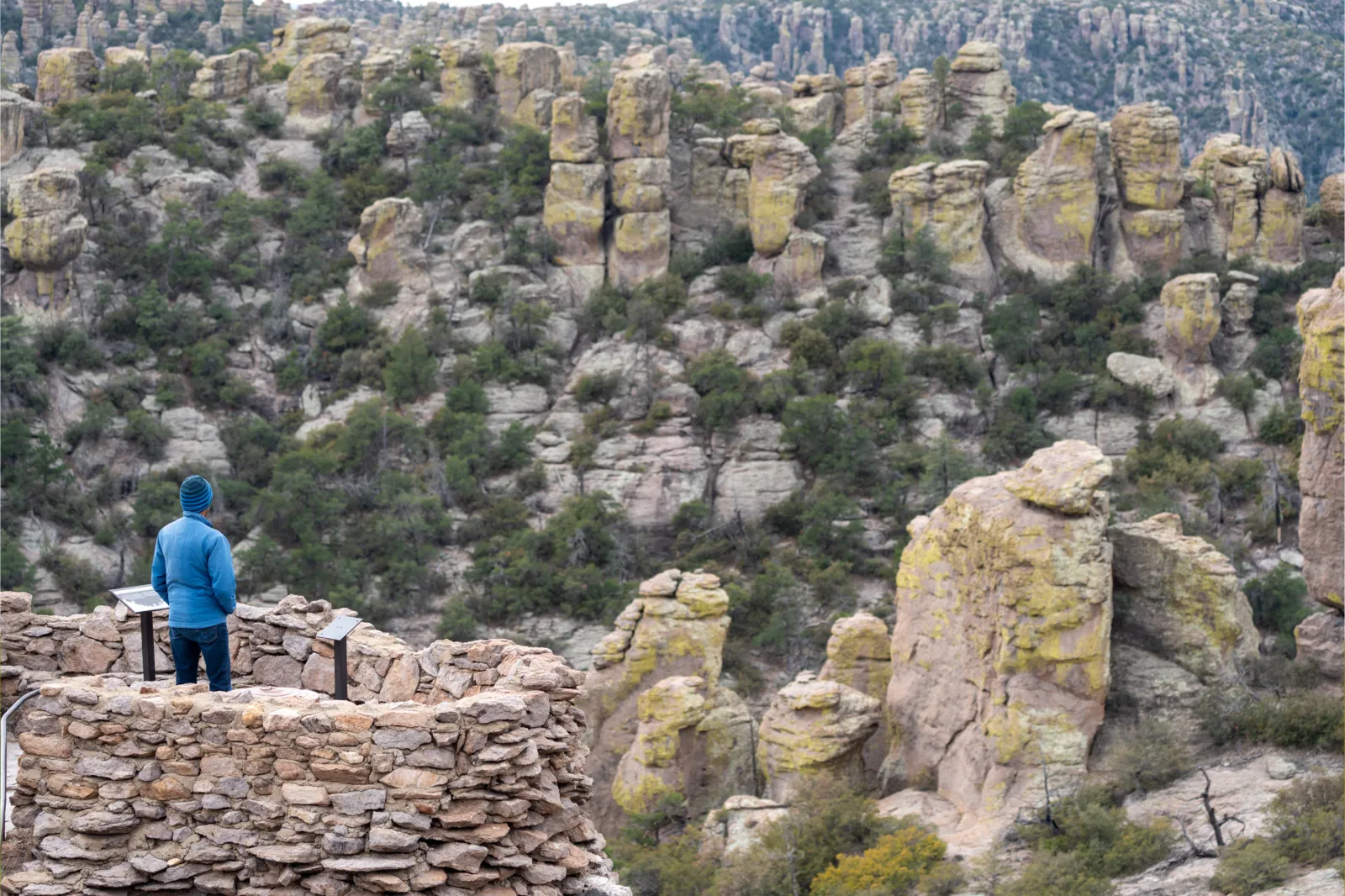
The law redesignates Chiricahua National Monument in Arizona as Chiricahua National Park. Importantly, this did not create an entirely new protected area: the existing boundaries of the monument became those of the national park.
It also requires the protection of traditional cultural and religious sites and consultation with Indian tribes. Tribal members must be provided access for traditional cultural and customary uses, and the Secretary of the Interior may temporarily close “a specified area or areas of a national park to protect the traditional cultural and customary uses of the area by Indian tribal members.”
Drilling License Act
Finally, HR 7831 (Drilling Permit Act) regulates fees for applying for oil and gas drilling permits.
The law means oil and gas companies applying for new permits to drill on federal lands will continue to pay application processing fees until 2037. The requirement was previously scheduled to expire in 2026.
As such, the measure will primarily affect companies applying for new federal oil and gas drilling licenses and the federal agencies responsible for processing those applications.
What does the new law mean for Americans?
While these 10 laws cover mostly unrelated areas, some of them will bring about real changes to individuals and businesses, while others will primarily affect government agencies, land management, or specific communities.
newsweek The White House has been contacted for comment.
Newsweek reporters and editors used our artificial intelligence assistant Martyn to produce this story. Learn more about Martin here.
Please contact Newsweek editors about this story: John Fitzpatrick and Paul Donnelly.