
Cryptocurrency giant Binance announced that it has refunded 90% of the $6.3 billion that North Korean hackers stole from user wallets.
The Dubai-based company revealed that it had “set aside over $6.34B of corporate funds to cover losses from the hack” and had recouped 90% of the losses.
“Binance will absorb the financial impact of these stolen funds, not our users,” the company said in boldface in an update posted on Saturday.
The company emphasized that popular cryptocurrencies Bitcoin, Ethereum, Binance Coin, Solana, XRP, World Liberty Financial USD, Ripple USD and Zcash are “100% fully supported.”
The remaining 10% still needs to be replenished, including tokens outside the top ten most popular digital assets.
“These assets are less liquid, which means they may take longer to obtain the required amounts,” the company warned.
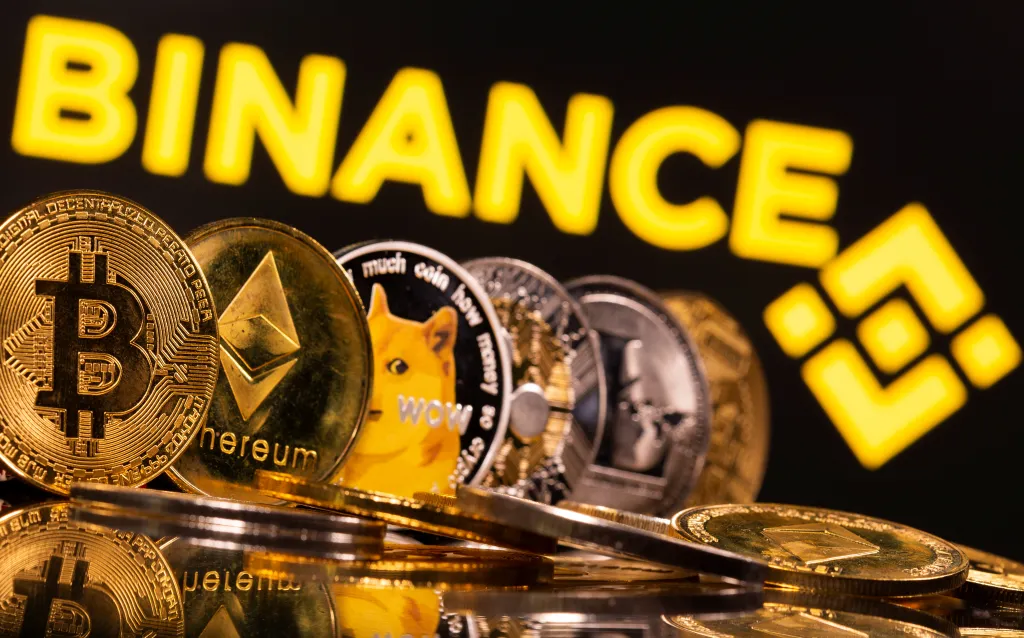
“100% support.” Reuters
To replenish user wallets, Binance drew funds from its own corporate vaults, used part of its futures insurance fund and deployed some funds from the Emergency User Security Asset Fund, the company said.
Binance provides a snapshot of its Proof of Reserves and a link to its user security asset fund and its futures insurance fund to maximize transparency.
“Our commitment remains unchanged: Binance will fully bear the financial impact of the funds stolen in this incident. We will continue to demonstrate this commitment through measurable progress, transparent reporting, and concrete actions,” the company said in a statement.
The company is believed to have been hacked by TraderTraitor, a notorious North Korean hacking group that may have used artificial intelligence to exploit unknown security vulnerabilities in cryptocurrency exchanges.
Binance announced that the hack took only about 20 minutes to complete, after which multiple “vulnerability points” were discovered, including a software engineer’s laptop.