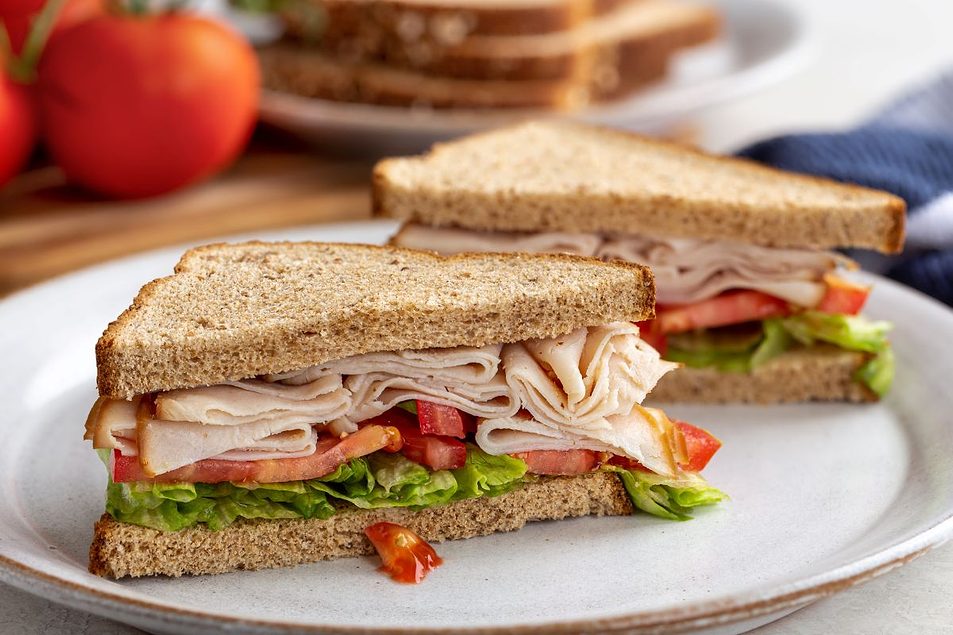
HYATTSVILLE, MD. – Good news for the bread category: Sandwiches are the main source of protein intake for US adults and teenagers, according to new research from the National Center for Health Statistics (NCHS) of the Centers for Disease Control and Prevention (CDC).
The findings, released on October 7, come amid sluggish dollar and unit sales for bread products – that is, middle-store packaged offerings – and surging consumer appetite for protein. The trend is fueled by the growing use of GLP-1 weight loss drugs, increasing health concerns about processed foods caused by the make America healthy again (MAHA) movement and new US dietary guidelines that emphasize protein consumption.
Among adults aged 20 and over, the top five sources of protein intake were sandwiches (15.6%), poultry (9.4%), mixed meats (6.4%), meat (6%) and mixed grains (4.8%), based on data from August 2021 to August 2023, the NCHS study found.
Sandwiches come as a major source of protein for all adult age groups. Among those aged 20 to 39, the top sources of protein were sandwiches (16.2%), poultry (11.1%), mixed wheat dishes (6.4%), mixed meat dishes (5.1%) and mixed Mexican dishes (4.6%). For the 40 to 59 age group, the main sources of protein are sandwiches (16%), poultry (8.7%), mixed meat dishes (7.1%), meat (7%) and vegetable protein foods (4.3%). The breakdown is slightly different for the oldest cohort, as the main sources of protein are sandwiches (14.4%), poultry (8.3%), mixed meats (7%), meat (6.6%) and eggs (4.7%).
In defining “sandwich”, NCHS includes burger, frankfurter, chicken filet, egg and breakfast, cheese, peanut butter and jelly, seafood, deli and meat, meat and barbecue, vegetable sandwich and vegetable burger.
Among teens aged 2 to 19, the top five sources of protein are sandwiches (15.1%), poultry (11.3%), milk (7.1%), mixed grain meals (6.2%) and pizza (6%). In particular, sandwiches are the main source of protein for all young age cohorts, with the exception of young children.
Teenagers (ages 12 to 19) had the highest percentage of sandwiches as the highest source of protein (17.2%), followed by poultry (11.5%), mixed Mexican dishes (6.1%), mixed grain dishes (6.1%) and pizza (6%). In the middle, children aged 6 to 11 consumed sandwiches (14.5%), poultry (10.8%), milk (7%), pizza (6.6%) and mixed grains (6.3%) as the main sources of protein. Among children aged 2 to 5 years, the main sources of protein are milk (12.6%), poultry (11.3%), sandwiches (9.8%), mixed grain dishes (6.5%) and cured meats (5.3%).
Food industry analysts, however, said that sandwiches’ standing as a meal option has decreased in recent years.
“Overall consumption of sandwiches (annual food per capita) has declined since 2023, led by sandwiches at home,” said Melissa Altobelli, senior vice president and regular dairy and bakery leader of the Chicago-based CPG market research company Circana. “Consumers are eating less sandwiches, especially during lunch. Consumers are snacking more than ever, with many choosing to eat small snacks during lunch instead of eating/bigger sandwiches during lunch. In addition, there are many other unique/fun options for lunch with sandwiches, and QSRs also offer deals to win lunch events.”
The sandwich’s place as America’s main source of protein brings welcome news to the slumping bread category.
| Source: Sosland Publishing Co.For the 52 weeks through September 27, center-store sales of bread and bread / rolls inch up 0.1% to $20.3 billion, while unit sales fell 2.2%, based on Circana data reported by food research firm 210 Analytics. Bread sales led to a decline in the bakery aisle, down 0.6% in dollars and 2.9% in units, and bread/rolls also produced poor results, only up 0.1% in dollars and down 1.7% in units.
Performance was better in the fresh bread department, as sales of bread and bread/bread in the 52 weeks increased by 2.8% to $5.1 billion despite a 1.8% decline in units. Higher prices helped lift bread sales on the perimeter — jumping nearly 9% in dollars but down 2.1% in units — while bread/roll sales fell 5% in dollars and 4.3% in units.
Anne-Marie Roerink, president of San Antonio-based 210 Analytics, has also noted the various challenge sandwich meal options and their impact on bread sales.
“Today, there is more competition for eating events that bread has traditionally had,” Roerink said. “The most obvious, sandwiches, now face competition from wraps and all other types of handheld formats made from low-carb ingredients, such as eggs. In addition, with the rise of global cuisine, consumers tend to have more meal queues, whether for lunch or dinner.”
A study released in September by the Grain Foods Foundation (GFF) also identified a decline in consumer affinity for sandwiches as a contributor to the decline in bread sales.
“Traditional bread consumption is declining due to reduced use of sandwiches, carbohydrate concerns and younger consumers finding it boring,” said the GFF report, based on a survey of 1,043 US adults by market research and polling firm Ipsos.
Among respondents, 21% said they ate traditional bread less than a year ago, with 50% describing traditional sliced bread as boring compared to other bread options currently available. The number 2 reason for less consumption of traditional bread: 41% mention eating fewer sandwiches.
“Half of consumers find traditional sliced bread boring, while the overall decline is driven by a macro change from sandwiches and growing concerns about processed carbohydrates,” said the GFF study.